Introduction
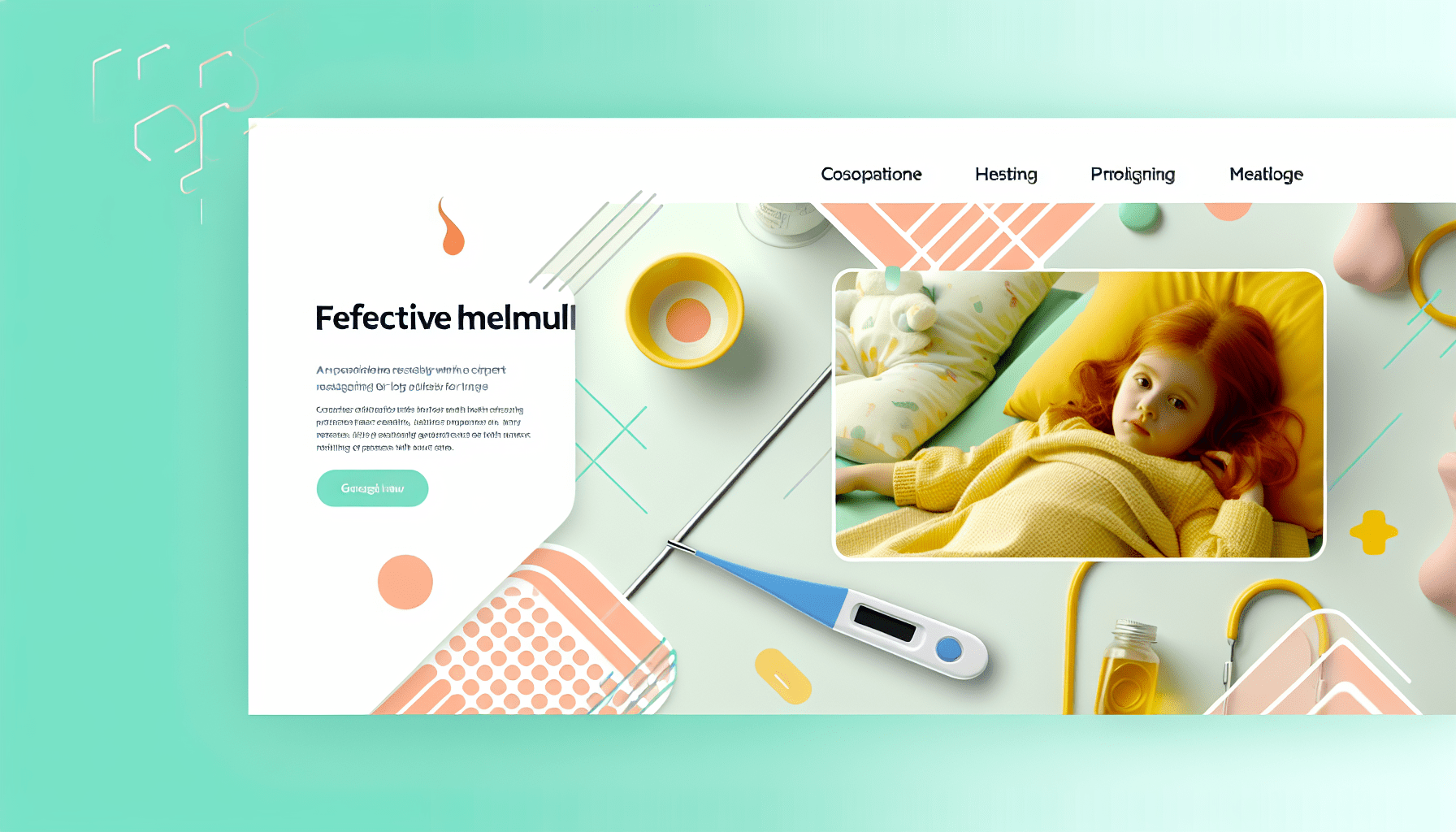
Fever in children is a common concern that leaves many parents feeling anxious. Recognizing and treating fever in children aged 0 to 12 years old is essential for their well-being. In this comprehensive guide, we explore how to accurately measure your child’s temperature using a reliable thermometer, when to use medications such as acetaminophen or ibuprofen, and the importance of proper cooling, hydration, and monitoring. By understanding key symptoms and knowing when to seek a doctor or emergency help, you can ensure your child receives effective treatment. This article provides practical insights, actionable advice, and real-life examples to help you manage fever confidently while keeping your child comfortable and safe.
Understanding Fever and Its Symptoms
Fever is the body’s natural response to infections and can be an indicator that the immune system is fighting off an illness. In children, common symptoms include feeling warm or cold, sweating, shivering, and sometimes irritability. While fever itself is not usually dangerous, the underlying causes may require attention. Recognizing early warning signs such as a high temperature, persistent lethargy, or unusual behavior helps you decide whether simple home treatment is sufficient or if you need to consult a doctor.
Key Symptoms:
- Elevated temperature measured with a thermometer
- Chills and sweating
- Loss of appetite
- Slight body aches
- General discomfort or irritability
Measuring Temperature Accurately
Accurate temperature measurement is the cornerstone of effective fever management. Parents can use various types of thermometers including digital, ear, or temporal artery thermometers. It is important to choose a method that is appropriate for your child’s age to ensure precise readings.
Choosing the Right Thermometer
Investing in a reliable thermometer is essential. Digital thermometers are widely recommended due to their ease of use and accuracy. When using an ear or temporal thermometer, ensure you adhere to the manufacturer’s instructions as improper use can lead to incorrect readings.
Measuring Techniques
- Digital Thermometer: Place the thermometer under the child’s tongue (if old enough), in the armpit, or rectally depending on age and comfort. Clean the thermometer after each use.
- Ear Thermometer: Gently place the ear sensor in the child’s ear canal. This method is quick and generally comfortable for the child.
- Temporal Artery Thermometer: Swipe the thermometer across the child’s forehead according to the guide provided by the manufacturer.
Consistently using the same method helps you compare temperature readings over time and monitor the effectiveness of your treatment.
Treatment Options: Medications and Home Remedies
Once the temperature is measured, treatment options include both pharmacological and non-pharmacological methods. Understanding when to use acetaminophen or ibuprofen and the role of cooling and hydration can make a significant difference in your child’s recovery.
Medication Guidelines: Acetaminophen and Ibuprofen
Medications such as acetaminophen and ibuprofen are widely recommended for managing fever in children. They work by lowering the body temperature and reducing discomfort. Always ensure dosages are based on your child’s weight and age, and adhere strictly to the guidelines provided by your pediatrician.
- Acetaminophen: Effective for reducing fever. Ensure you do not exceed the recommended dosage to avoid potential liver damage.
- Ibuprofen: Besides fever reduction, it also helps with inflammation and pain. It should be taken with food to avoid stomach discomfort.
Before administering any medication, consult your doctor if your child has pre-existing medical conditions or if you are using more than one type of medication.
Home Remedies: Cooling and Hydration
In addition to medications, non-pharmacological treatments play a critical role in fever management. Use a cool, damp cloth on the child’s forehead, arms, and legs to help with cooling the body. Ensure the room is adequately ventilated and dressed in light clothing.
Maintaining hydration is key because fever can cause excessive fluid loss through sweating. Offer your child water, electrolyte solutions, or diluted fruit juices to replace lost fluids. Frequently encourage small sips rather than large quantities at once.
Monitoring and When to Seek Medical Advice
The ability to monitor the fever and recognize when further intervention is required is an important aspect of effective home treatment. Regular monitoring of your child’s symptoms and temperature ensures the chosen method is working.
When to Monitor at Home
For most mild cases of fever, parents can manage the symptoms at home with over-the-counter medications and home remedies. Monitor your child’s temperature and note any changes or the appearance of new symptoms such as:
- Persistent high temperature over 102°F (38.9°C)
- Increased irritability or lethargy
- Signs of dehydration, such as reduced urine output
- Difficulty breathing or unusual skin rashes
Recognizing Emergency Situations
There are critical moments when waiting at home may not be enough. Knowing when to call a doctor or head to the emergency room is vital. If your child experiences any of the following, seek immediate medical attention:
- A febrile convulsion (seizure)
- Persistent vomiting or diarrhea causing dehydration
- Difficulty breathing or blue discoloration of the lips
- Severe headache, neck stiffness, or confusion
In these instances, professional evaluation is crucial to address potential underlying conditions that may require specialized treatment.
Actionable Insights and Real-Life Examples
Understanding the clinical guidelines is important, but actionable insights can help translate these guidelines into practical steps at home. Consider the following examples:
Example 1: Managing a Mild Fever at Home
Imagine your 4-year-old suddenly develops a fever after returning from preschool. First, take an accurate temperature reading using a digital thermometer. If the reading is slightly elevated, administer the correct dose of acetaminophen based on your child’s weight. Enhance monitoring by checking the temperature every few hours, and keep your child comfortable with light clothing and a cool room environment. Encourage frequent hydration by offering water. If the fever gradually decreases, continue home care and inform your pediatrician if the condition persists.
Example 2: When to Take Faster Action
In another scenario, your 8-year-old shows a high temperature of 103°F along with signs of dehydration and a persistent headache. Begin by giving a dose of ibuprofen to reduce the fever and ease the headache. However, because the symptoms are severe and the child is not responding as expected to initial treatment, it is time to call a doctor for advice. Continuous monitoring and checking for any warning signs like difficulty in concentration or alarming behavioral patterns are critical. In such occurrences, early intervention can prevent complications.
Tips for Parents: Safe Fever Management Strategies
Safety and comfort are top priorities when treating fever in children. Here are some practical tips to ensure you are well-prepared:
- Prepare an Emergency Kit: Include a reliable thermometer, necessary medications (acetaminophen, ibuprofen), a cooling cloth, and electrolyte solutions.
- Maintain a Fever Log: Record your child’s temperature at regular intervals along with any noticeable symptoms. This log is especially beneficial when consulting a doctor.
- Educate Yourself: Familiarize yourself with normal temperature ranges for different ages. Learn the proper techniques for administering medication and using your thermometer.
- Stay Informed: Regularly update your knowledge on child fever treatment guidelines from trusted sources to adapt to any new recommendations.
- Contact Your Pediatrician: When in doubt, always consult with your doctor to ensure your actions align with best medical practices.
By staying calm, prepared, and informed, you can manage fever in your child effectively while ensuring their comfort and safety.
Conclusion
Recognizing, treating, and monitoring fever in children from 0 to 12 years old involves a balance of careful observation and timely intervention. Using a thermometer to measure temperature, administering appropriate doses of acetaminophen or ibuprofen, and maintaining hydration and effective cooling techniques are key components of fever management. Being alert to symptoms that require a doctor’s expertise or even an emergency visit ensures you provide your child with the best care possible. Empower yourself with the actionable insights provided here, and remember that every child is unique—consult your pediatrician for personalized guidance. With these strategies, you can confidently help your child through their fever, ensuring a quicker path to recovery.