
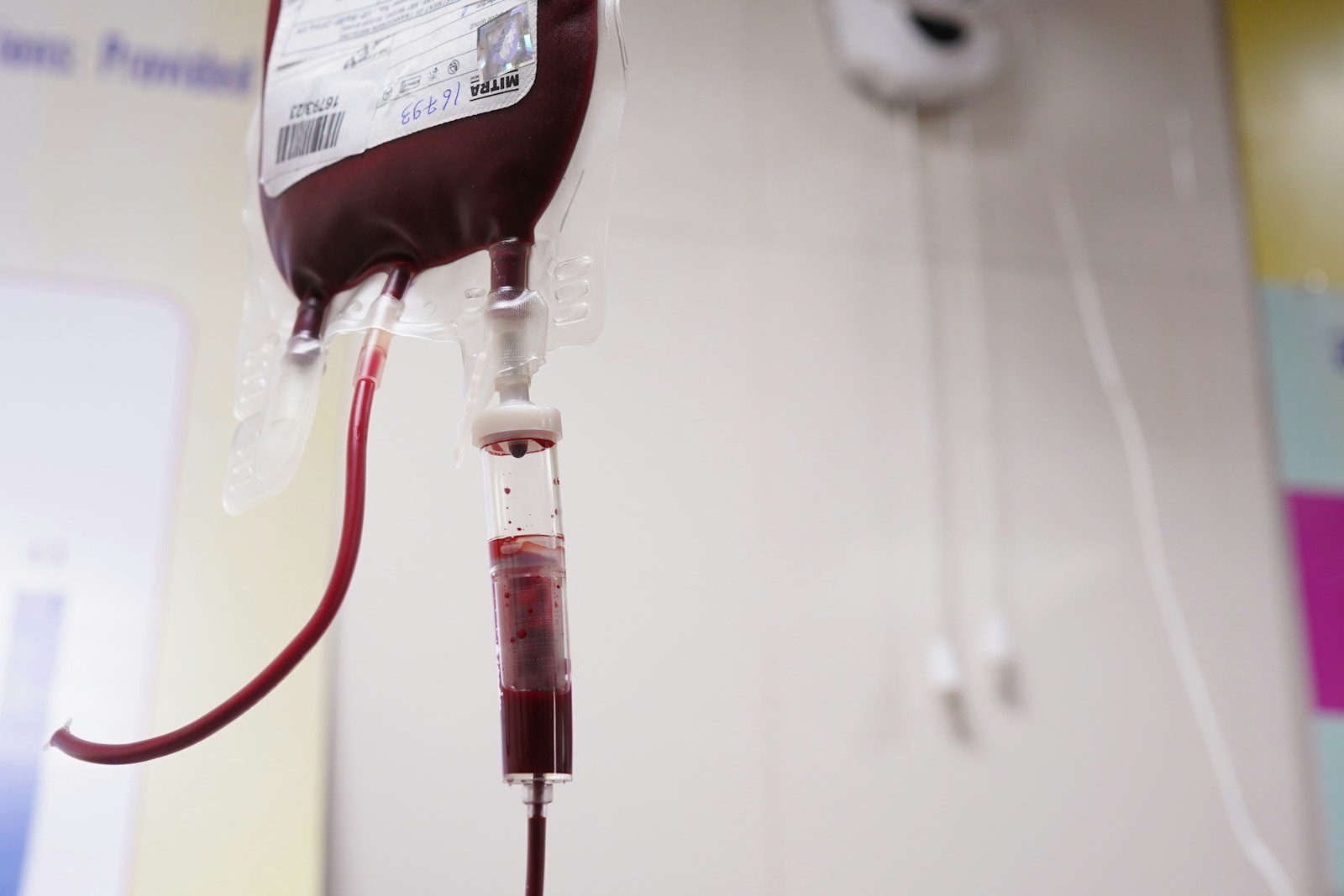
Anaemia
Anaemia occurs when blood lacks adequate healthy red blood cells or haemoglobin. Common types in youth include iron-deficiency anaemia (caused by poor diet or blood loss), sickle cell anaemia (inherited abnormal haemoglobin), and thalassemia (genetic haemoglobin production disorder). Symptoms include fatigue, pale skin, shortness of breath, and dizziness. Treatment involves iron supplements, dietary changes, blood transfusions, or medications depending on the cause.
Haemophilia
Hemophilia is a rare genetic disorder impairing blood clotting due to deficient clotting factors (VIII or IX). Primarily affecting males, it causes prolonged bleeding after injuries, spontaneous internal bleeding, and joint damage. Diagnosis occurs in infancy/childhood through abnormal bruising or bleeding episodes. Management includes regular intravenous infusions of replacement clotting factors, prophylactic treatment, and avoiding trauma. Severe cases may require gene therapy.
Leukaemia
Leukemia is cancer of blood-forming tissues causing uncontrolled production of abnormal white blood cells. Acute lymphoblastic leukemia (ALL) is most common in children, while acute myeloid leukemia (AML) occurs in both children and young adults. Symptoms encompass persistent fatigue, frequent infections, unexplained bruising/bleeding, bone pain, and weight loss. Treatment involves chemotherapy, radiation, targeted therapy, stem cell transplantation, and immunotherapy, with pediatric ALL having high remission rates.
Aplastic anemia results from bone marrow failure, leading to insufficient production of all blood cell types (red cells, white cells, platelets). Causes include autoimmune disorders, viral infections, toxins, or inherited conditions like Fanconi anemia. Signs include severe fatigue, increased infection susceptibility, uncontrolled bleeding, and skin rashes. Treatments range from immunosuppressive therapy and blood transfusions to stem cell transplantation, which offers potential cure for eligible patients.
Definitions, Causes Symptoms And Treatment
Anaemia
Definition
A condition where blood lacks adequate healthy red blood cells or haemoglobin to carry oxygen.
Causes
Iron deficiency, vitamin B12/folate deficiency, chronic diseases, genetic disorders (e.g., sickle cell), blood loss.
Symptoms
Fatigue, pallor, shortness of breath, dizziness, cold extremities.
Treatment
- Iron-deficiency: Oral/IV iron supplements, dietary changes (red meat, leafy greens)
- Vitamin-deficiency: B12 injections, oral folate supplements
- Chronic disease-related: Treat underlying condition, erythropoiesis-stimulating agents (ESAs)
- Severe cases: Blood transfusions
- Haemolytic anaemia: Immunosuppressants, splenectomy
Haemophilia
Definition
Genetic bleeding disorder impairing blood clotting due to deficient clotting factors (VIII or IX).
Causes
X-chromosome-linked mutation (primarily affects males).
Symptoms
Prolonged bleeding, spontaneous joint/muscle bleeds, easy bruising.
Treatment
- Replacement therapy: IV infusions of recombinant clotting factors (VIII for Haemophilia A, IX for B)
- Prophylaxis: Regular factor injections to prevent bleeds
- Emicizumab: Subcutaneous antibody for Haemophilia A with inhibitors
- Acute bleeds: RICE protocol (Rest, Ice, Compression, Elevation), antifibrinolytics (tranexamic acid)
- Gene therapy: Emerging single-dose treatments showing long-term factor production
Leukaemia
Definition
Cancer of blood-forming tissues causing uncontrolled production of abnormal white blood cells.
Types
Acute Lymphoblastic (ALL), Acute Myeloid (AML), Chronic Lymphocytic (CLL), Chronic Myeloid (CML).
Symptoms
Fever, night sweats, bone pain, recurrent infections, bruising/bleeding.
Treatment
- Chemotherapy: Multi-drug regimens (e.g., cytarabine + daunorubicin for AML)
- Targeted therapy: Tyrosine kinase inhibitors (imatinib for CML), FLT3 inhibitors (midostaurin for AML)
- Immunotherapy: CAR T-cell therapy (tisagenlecleucel for ALL), monoclonal antibodies (rituximab for CLL)
- Stem cell transplant: Allogeneic transplant for high-risk/relapsed cases
- Supportive care: Blood transfusions, antibiotics, growth factors
Aplastic Anemia
Definition
Bone marrow failure causing pancytopenia (deficiency of all blood cell types).
Causes
Autoimmune destruction, toxins, viruses, radiation, idiopathic origins.
Symptoms
Fatigue, infections, uncontrolled bleeding, pallor.
Treatment
- Immunosuppression: Antithymocyte globulin (ATG) + cyclosporine
- Stem cell transplant: Curative option for young patients with matched donors
- Supportive care: Regular transfusions (leukocyte-reduced RBCs/platelets), antifungals/antibiotics
- Stimulants: Thrombopoietin agonists (eltrombopag) to boost platelet production
- Androgen therapy: Danazol for refractory cases


