
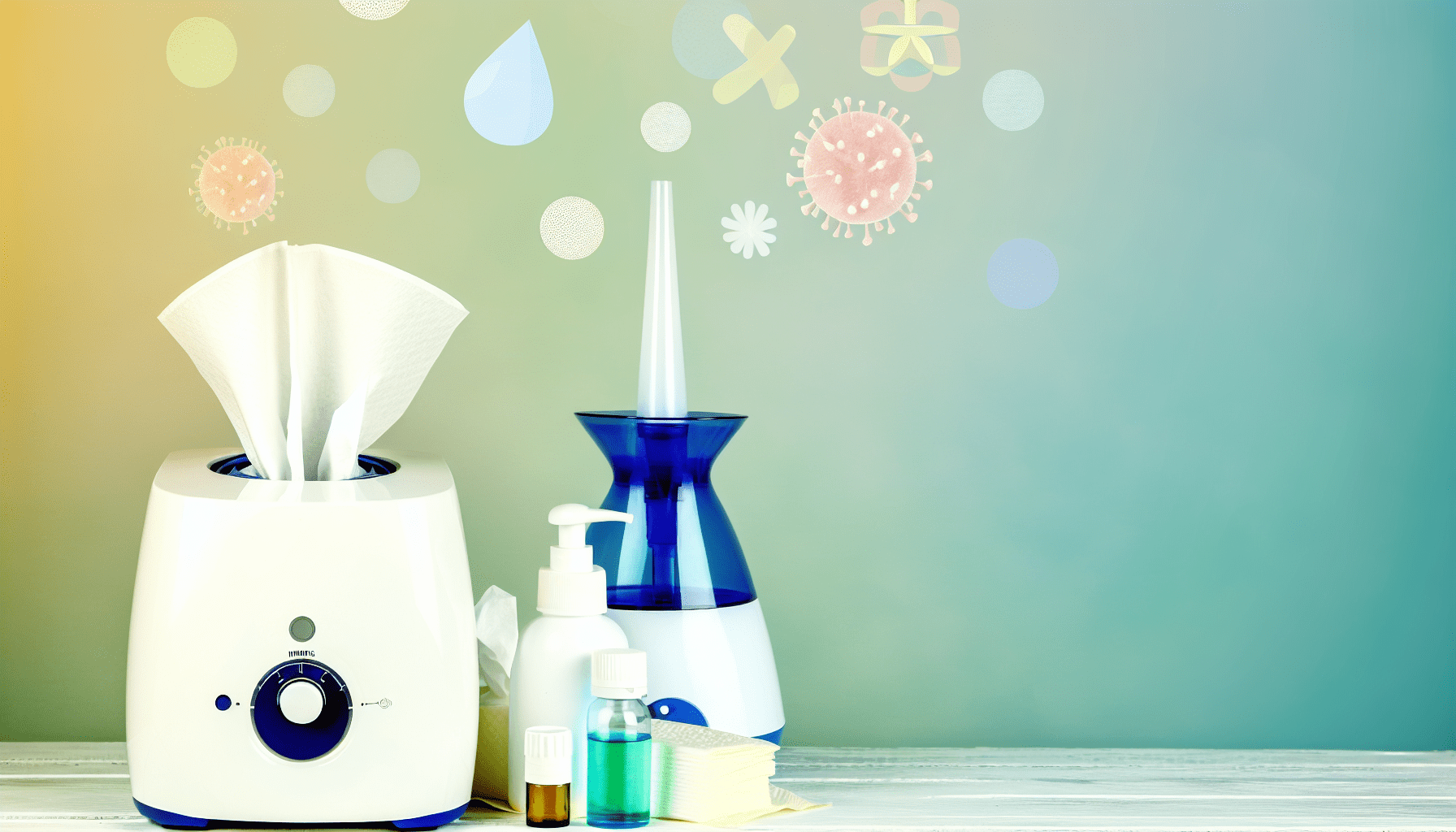
Effective Common Cold Management: A Comprehensive Guide
When the common cold hits, it can disrupt daily activities and challenge your comfort. This comprehensive guide is designed to help you navigate through symptoms like sneezing, runny nose, and congestion while offering actionable insights and practical advice. Whether you’re stocking up on tissues or setting up a humidifier at home, understanding simple yet effective remedies can accelerate your recovery. By prioritizing rest, increasing fluids, and supporting your immune system, you can manage the cold more effectively. Read on to discover home remedies, lifestyle adjustments, and professional guidelines that not only help alleviate symptoms but also bolster your overall health during the common cold season.
Understanding the Common Cold: Symptoms and Causes
The Basics of a Common Cold
The common cold is a viral infection that affects your upper respiratory tract, leading to discomfort and a variety of symptoms. A primary sign of this ailment is sneezing, which occurs as your body attempts to expel irritants. Many people experience a runny nose accompanied by congestion, making breathing challenging. In addition, you might feel fatigued, suffer from a cough, or notice your sinuses becoming congested. These symptoms are not only uncomfortable but also serve as signals from your body that the viral invasion might require extra care and attention.
Why Symptoms Persist
While the common cold is usually self-limiting, several factors can prolong symptoms. Factors such as environmental conditions, exposure to allergens, or underlying health conditions may exacerbate sneezing, congestion, or a runny nose. Moreover, habits and lifestyle choices like poor sleep, insufficient fluids, and stress can impair your immune system, making it harder for your body to fight off the virus. Recognizing these factors early on is essential for effective common cold management.
Essential Home Remedies and Daily Practices
Prioritize Rest and Fluids
An integral part of cold management is ensuring you get ample rest. Sleep is crucial because it allows your body to channel energy towards fighting the infection. Equally important is drinking plenty of fluids. Consuming warm fluids like herbal teas or broth can soothe a sore throat, while water helps maintain hydration and supports the immune system during its recovery phase. These practices not only alleviate symptoms but also expedite your overall recovery process.
Utilizing Over-the-Counter Aids
Utilizing over-the-counter remedies can provide symptomatic relief. For instance, keeping a box of tissues handy is essential if you’re experiencing sneezing or a runny nose. Saline nasal sprays can help relieve congestion naturally without harsh chemicals. Some individuals also opt for throat lozenges or decongestants. However, it’s important to follow recommended dosages and consult with a healthcare professional if symptoms persist for too long.
Creating a Comforting Home Environment
Setting Up Your Space for Recovery
Your home environment plays a key role in managing cold symptoms. A well-humidified room can soothe irritated nasal passages and reduce congestion. Investing in a humidifier is a wise decision, especially during dry weather conditions. Set the humidifier to keep the room at an optimal level of moisture, which can also help ease sneezing and keep your runny nose under control. Additionally, maintaining a clean environment free from dust and allergens further supports recovery.
Practical Comfort Measures
- Layered Clothing and Warm Blankets: Keeping yourself comfortably warm can reduce the severity of chills and overall discomfort.
- Strategic Placement of Tissues and Fluids: Keep tissues and a water bottle nearby in case your symptoms flare up suddenly.
- Soothing Aromatherapy: Scents like eucalyptus or peppermint can offer temporary relief from congestion.
- Quiet and Calm Space: Ensure that your recovery area minimizes stress and external distractions.
Dietary Considerations and Lifestyle Adjustments
Nourishing Your Body
Fluids and nutrient-rich foods are your allies during a cold. Foods high in vitamins, particularly vitamin C and zinc, are essential for bolstering your immune system. Consider incorporating citrus fruits, leafy greens, and lean proteins into your meals. Warm soups and broths not only provide hydration but also contain minerals and vitamins that can alleviate symptoms like congestion and a runny nose. Maintaining a balanced diet supports your recovery while contributing to overall well-being.
Lifestyle Adjustments for Maximum Recovery
To enhance your common cold management, consider making temporary lifestyle adjustments. Light exercise such as gentle stretching or short walks (as long as you’re feeling up to it) can boost circulation and enhance your mood, though it’s important to listen to your body and avoid overexertion. Additionally, integrating relaxation techniques such as meditation or deep-breathing exercises can decrease stress, further strengthening your immune system and supporting your body’s natural healing process.
Strengthening Your Immune System
Long-Term Strategies
A proactive approach to strengthening your immune system can reduce the frequency and severity of colds. Regular physical activity, balanced nutrition, and maintaining a proper sleep schedule are cornerstones of long-term immune health. Incorporate a variety of fruits, vegetables, whole grains, and lean proteins in your diet to give your body the nutrients it needs to fight off infections. Over time, these lifestyle choices can help lessen the impact of symptoms like sneezing, congestion, and a runny nose.
Supplements and Natural Boosters
While a healthy diet provides essential nutrients, some individuals may benefit from supplements. Vitamin C, zinc, and echinacea are among the popular choices known for their immune-supporting properties. However, it is important to consult with a healthcare provider before starting any supplement regimen, especially if you are dealing with other health conditions or are taking medications. Combining supplements with natural remedies like rest, increased fluids, and maintaining a comfortable environment can offer significant benefits for overall recovery.
When to Seek Professional Help
Recognizing the Warning Signs
While most colds resolve on their own with proper home management, there are certain instances when it’s important to seek professional advice. If your symptoms worsen or persist beyond 10 days—particularly if you have high fever, severe congestion, or difficulty breathing—it may be a sign of a secondary bacterial infection or a more serious respiratory issue. Additionally, if you notice that your condition is significantly impairing your ability to rest and recover, consult with a healthcare professional.
Effective Communication With Your Doctor
When visiting a doctor, be sure to provide detailed information about your symptoms, including the severity of sneezing, runny nose, and congestion. Mention any over-the-counter remedies you have tried, as well as your efforts related to increasing fluids, using a humidifier, and getting enough rest. This information can help your practitioner make an accurate diagnosis and recommend appropriate treatments, ensuring that your journey to recovery is as smooth as possible.
Conclusion
Managing the common cold effectively requires a balanced approach that includes home remedies, lifestyle adjustments, and, when necessary, professional guidance. In this guide, we have covered essential strategies to alleviate symptoms such as sneezing, a runny nose, and congestion through easily accessible methods, including the use of tissues, humidifiers, and ample fluids. Prioritizing rest, maintaining a healthy diet, and supporting your immune system are crucial for a fast and smooth recovery. Ultimately, understanding and implementing these actionable insights not only brings comfort during a cold but also reinforces the foundation for better overall health. Stay proactive, listen to your body, and enjoy a journey of improved wellness and resilience against future colds.


