
Introduction
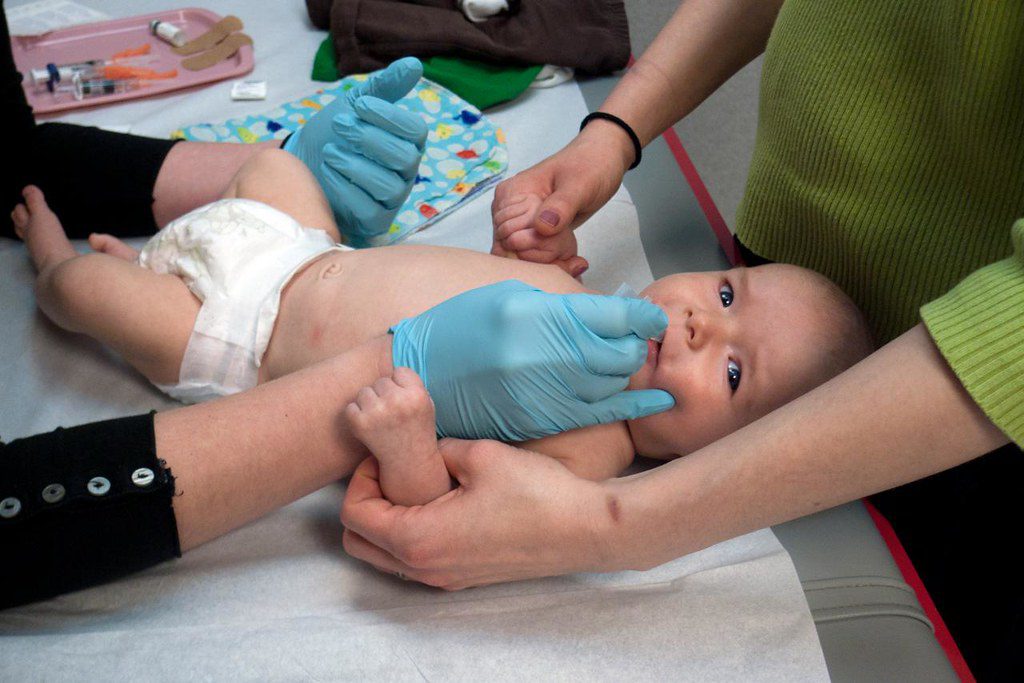
The battle against polio has been one of the most remarkable success stories in global public health. With dedicated efforts spanning decades, vaccination has drastically reduced the number of polio cases worldwide. Whether you are a parent, traveler, or healthcare professional, understanding the facts behind the polio vaccine is essential. This comprehensive guide covers topics from IPV to the oral vaccine, the importance of dose timing, inactive virus safety, boosters, and travel considerations. These insights not only highlight the importance of immunization campaigns but also underpin the global effort to eradicate paralysis caused by polio. Read on to discover actionable advice, real-life examples, and in-depth information on the various aspects of polio immunization that continue to shape health policies around the world.
Understanding Polio Vaccine Facts
Polio, a potentially disabling and life-threatening disease, has been the target of an intense and sustained vaccination campaign for over half a century. With a focus on eliminating paralysis and aiming for complete eradication, the polio vaccine has evolved over time to maximize safety and effectiveness. Two primary vaccine types are predominantly used: the Inactivated Polio Vaccine (IPV) and the oral vaccine. Both play distinct roles in the immunization process, with the IPV offering the advantage of using an inactive virus, making it extremely safe, while the oral vaccine has been historically significant due to its ease of administration and rapid deployment in mass vaccination campaigns.
The Role of IPV in Polio Prevention
IPV, or the Inactivated Polio Vaccine, uses a virus that has been killed or inactivated, ensuring that it cannot cause paralysis. This vaccine is typically administered by injection and is known for its strong safety profile. Medical experts have emphasized that using inactivated virus minimizes the risk of vaccine-associated paralytic polio, which was a rare but significant concern with earlier live vaccines.
Some actionable insights regarding IPV include:
- Safety: IPV is safe for nearly all populations, including those with compromised immune systems.
- Booster: Booster shots may be recommended for travelers or in outbreak situations to reinforce immunity.
- Dose Timing: Adhering to the recommended dose timing maximizes protection, which is especially important in high-risk areas.
This vaccine has played a crucial role in the overall global effort to eradicate polio by providing a reliable option in settings where maintaining a consistent cold chain might be challenging.
Exploring the Oral Vaccine: Benefits and Considerations
The oral vaccine has been a game changer in mass immunization drives for polio, particularly in resource-limited areas. Its ease of administration—simply by taking drops—has allowed for rapid and broad coverage in many communities worldwide. Furthermore, the oral vaccine not only stimulates individual immunity but also contributes to community protection by reducing virus transmission.
However, this vaccine type is not without its considerations:
- Vaccine-Derived Risk: In rare occurrences, the live virus used in the oral vaccine can mutate, potentially leading to vaccine-derived poliovirus. This underscores the critical importance of careful monitoring and timely dose timing.
- Global Effort: The oral vaccine remains an integral part of the global effort to eradicate polio, with strategic decisions often based on regional epidemiology and the availability of safe alternatives like IPV.
- Usage in Outbreaks: During outbreaks, rapid deployment of the oral vaccine is essential for reducing disease transmission rates.
With both benefits and drawbacks, the choice between IPV and the oral vaccine is driven by regional demand, safety considerations, and the dynamics of local polio transmission.
Global Effort for Polio Eradication
Arguably, the most inspiring aspect of the fight against polio is the global effort dedicated to its eradication. Since the launch of the Global Polio Eradication Initiative, millions of children have been immunized, and the number of polio cases has dwindled remarkably. This effort has involved coordinated campaigns across continents, partnerships with local governments, and continuous surveillance in affected regions.
Key strategies fueling this global effort include:
- Mass Immunization Campaigns: Organized immunization days in countries where polio is endemic ensure that a wide swath of the population is covered quickly.
- Strategic Use of Both Vaccines: Deploying IPV and the oral vaccine where most needed helps overcome the limitations of each vaccine type.
- Community Engagement: Successful vaccination programs involve educating communities about dose timing and booster recommendations.
This multi-layered approach has proven successful, even when handling challenges like vaccine hesitancy, logistical hurdles, and occasional outbreaks. Vaccination remains the key to preventing paralysis and ensuring that every child, regardless of geography, is afforded the highest chance of a healthy future free from polio.
Practical Advice: Dose Timing, Booster Shots, and Travel Considerations
For many individuals, especially parents and frequent flyers, understanding the practical aspects of the polio vaccine is just as important as knowing its benefits. Here are some actionable insights to keep in mind:
Adhering to Dose Timing
Proper dose timing is critical in ensuring maximum effectiveness of the polio vaccine. Most vaccination schedules recommend a series of doses starting from infancy. Delays or irregular spacing between doses can reduce the overall immune response, leaving individuals vulnerable. Always follow the schedule provided by your healthcare provider and request reminders if needed.
Importance of Booster Shots
Booster shots are periodically necessary to maintain long-term immunity, particularly in areas where polio remains a risk or for individuals planning travel to countries where polio is still present. The booster ensures that the immune system is well-prepared to fend off the virus if exposure occurs. Healthcare professionals often recommend these boosters as part of the overall vaccination regimen, especially during global health initiatives aimed at complete eradication.
Travel Considerations
When planning international travel, it is essential to check vaccination records. Some countries require proof of vaccination for entry or visa processing, especially if there is an ongoing risk of infection. Travelers should be aware that immunization against polio, whether via IPV or the oral vaccine, is a critical preventative measure. Visit travel clinics well in advance of your journey to verify that your immunizations are up-to-date and adhere to the specific guidelines of your destination.
By staying informed about these practical steps, individuals can protect themselves and contribute to the broader public health goal of eradicating polio.
Actionable Insights and Future Perspectives
The journey towards a polio-free world is a clear demonstration of what can be achieved with robust public health policies and community-oriented strategies. Here are some final actionable insights and future perspectives:
- Educate Yourself and Others: Understand the difference between IPV and the oral vaccine. Share accurate information, especially regarding the safety of the inactivated virus used in IPV.
- Stay Committed to Vaccination Schedules: Ensure that children complete all doses and receive timely booster shots. This not only protects individual health but also supports the broader objective of eradication.
- Prepare for Travel: For those planning to travel abroad, consult healthcare providers about vaccinations. Carry documentation of your immunization status and stay informed about destination-specific health advisories.
- Participate in Local and Global Campaigns: Engage with community health drives or awareness campaigns. Volunteer, donate, or simply help spread knowledge about the importance of immunizing against paralytic diseases.
- Monitor Global Developments: Public health guidelines evolve with new research. Keep abreast of updates, particularly regarding dose timing and vaccine formulations, to ensure compliance with the latest recommendations.
With thoughtful planning and active participation in vaccination programs, societies can move closer to eradicating polio. Ongoing research and adaptive strategies in dose timing and booster protocols highlight the commitment of global health organizations to this enduring cause. Each individual’s effort forms part of a larger mosaic that could eventually stop paralysis and make polio a relic of the past.
Conclusion
In conclusion, understanding the facts behind the polio vaccine is a vital step in the global fight against this crippling disease. Both IPV, with its safe, inactive virus, and the oral vaccine each have distinct roles in immunization strategies that have led to significant reductions in paralysis worldwide. With careful adherence to recommended dose timings, timely booster shots, and informed travel decisions, we further strengthen the global effort towards full eradication. Continued education and community engagement remain essential, ensuring that everyone is equipped with accurate knowledge and actionable insights. As we advance towards a future free of polio, every vaccine administered represents a crucial milestone in protecting vulnerable populations and fostering a healthier world.


