
Introduction
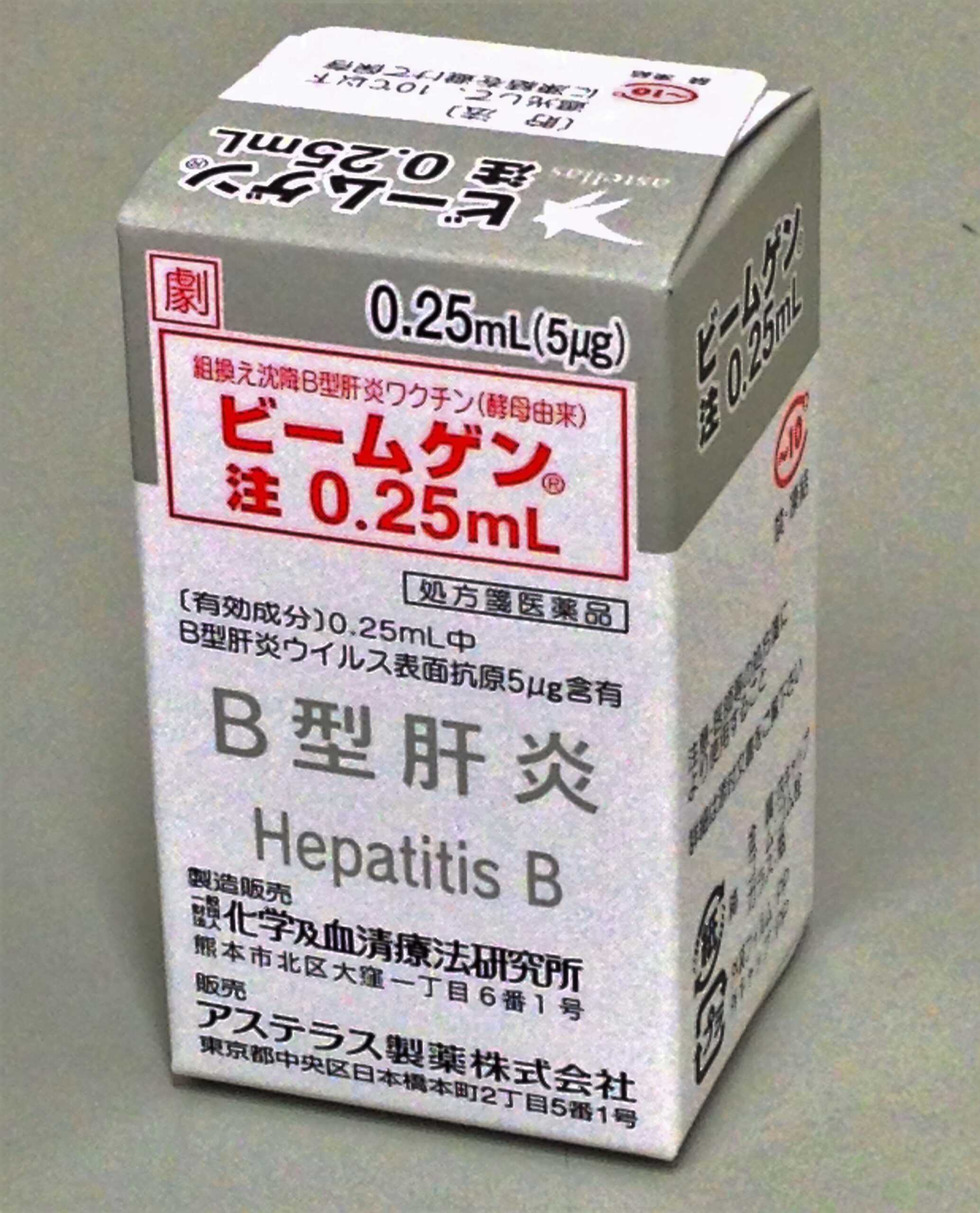
Hepatitis B is a potentially life-threatening liver infection caused by the hepatitis B virus (HBV), and its vaccine stands as a crucial tool in the global fight against this disease. With a regimen that begins with the birth dose and continues through a complete series of injections, the Hepatitis B vaccine provides long-lasting liver protection by stimulating the body to produce protective antigens. As HBV is primarily bloodborne, strategies such as timely injection schedules, booster doses, and proper documentation through a vaccine card play a vital role in prevention. This article delves into the science behind the vaccine, its administration protocols, and the actionable insights that can empower individuals and healthcare providers in effectively managing hepatitis B risks—including the potential of becoming a healthy non-carrier.
Understanding Hepatitis B and Its Global Impact
The hepatitis B virus can lead to chronically infected individuals, making them carriers who are at risk of developing severe liver conditions such as cirrhosis or liver cancer. Unlike many other infections, hepatitis B transmission is primarily through exposure to infected blood and bodily fluids. This bloodborne mode of transmission highlights the need for accurate prevention measures, beginning with routine vaccination protocols. Worldwide, the vaccine has reduced the incidence of infection significantly. Each dose in the injection series plays a crucial role in enabling the immune system to recognize and combat the virus effectively, with the final goal of establishing long-term liver protection.
- Chronic infection risk increases without proper vaccination.
- The virus spreads rapidly in areas with low healthcare access.
- Early administration of the birth dose is critical for newborns.
- Booster shots are available when needed to maintain immunity.
How the Hepatitis B Vaccine Works
The Hepatitis B vaccine is built on the principle of immunization through the introduction of specific viral proteins, referred to as antigens. When administered as an injection, these proteins stimulate the body’s immune system without causing the disease. The immune response includes the production of antibodies that actively target the hepatitis B virus, effectively preparing the body for future encounters. This process not only boosts immediate immune defense but also lays the foundation for long-term prevention strategies.
After receiving the vaccine, individuals typically receive a vaccine card that records the dates and doses of administration. This card serves as a crucial document, especially when verifying vaccination status for school, work, or travel purposes. Maintaining accurate records is important since the vaccine is administered as part of a structured series of injections. In some cases, if immunity wanes over time, a booster dose may be recommended to reinforce the body’s defense mechanism. This detailed process is a testament to modern-day immunology and a significant stride towards global liver protection.
Key Administration Protocols: Birth Dose and Booster Strategies
One of the most critical timeframes in hepatitis B immunization is the administration of the birth dose vaccine. Newborns are particularly vulnerable to HBV when exposed during childbirth, making early vaccination essential. The birth dose has shown exceptional effectiveness in initiating an immune response even in the youngest patients, reducing the risk of chronic infection and subsequent liver complications.
Beyond the initial dose, several factors contribute to the overall success of the vaccine regimen:
- Timeliness: Ensuring that the first injection is administered immediately after birth is pivotal.
- Complete Series: Following up with the full series of injections reinforces immunity. Missing any dose might compromise the effectiveness of liver protection.
- Booster Doses: For some individuals, especially those with compromised immune systems, a booster dose might be necessary to maintain long-term immunity.
Parents and healthcare professionals alike are encouraged to track immunization schedules meticulously—using a vaccine card—to ensure that every child receives the full benefit of vaccination and protection against the hepatitis B virus.
Actionable Insights for Maximizing Vaccine Effectiveness
Maintaining the effectiveness of the Hepatitis B vaccine involves both awareness and adherence to vaccination protocols. Here are some actionable insights for individuals and healthcare providers:
- Educate Yourself and Others: Understanding that HBV is a bloodborne virus, and the vaccine’s role in prevention, can motivate communities to ensure timely vaccinations. Educational campaigns can be particularly effective in areas with limited access to healthcare.
- Follow the Recommended Schedule: Every dose of the vaccine is crucial. Starting with the birth dose and continuing with the prescribed series of injections guarantees that the immune system is gradually primed. Consult healthcare providers for any discrepancies in scheduling.
- Monitor Immunity Levels: For individuals traveling to high-risk areas or those in professions prone to exposure, periodic check-ups and, if necessary, a booster shot can be critical in maintaining liver protection.
- Document Your Vaccinations: A dedicated vaccine card is a simple yet effective tool in ensuring that you have verified records of your vaccination history. This can be especially useful during emergency medical situations or while applying for schools and travel permits.
- Engage with Your Healthcare Provider: Regular consultations can help update you on the latest recommendations, including any changes in the vaccination series protocols or booster guidelines.
For communities with higher risks of hepatitis B infection, proactive steps such as local health drives and in-clinic seminars can demystify the process around immunizations. Addressing concerns regarding possible side effects and explaining the robust safety profile of the vaccine can further drive uptake and adherence.
Real-World Examples and Success Stories
Across the globe, many nations have successfully implemented vaccination programs that feature the Hepatitis B vaccine as a core component of public health strategies. For instance, in parts of Asia where hepatitis B used to be highly prevalent, rigorous adherence to the vaccine series—including timely administration of the birth dose and necessary booster injections—has resulted in a dramatic decline in chronic HBV infection rates. Hospitals and clinics maintain detailed vaccine card records to ensure that the series of injections are followed accurately across different age groups.
In another example, regional health departments have organized community workshops to educate the public about the importance of preventing the spread of HBV, a bloodborne pathogen. These workshops emphasize the rationale behind each injection in the series, showing how even a single missed dose could diminish overall liver protection. Such initiatives have not only increased vaccination rates but have also empowered parents to take proactive measures in safeguarding their children’s health, ensuring that they never become inadvertent carriers of the virus.
Conclusion
In summary, the Hepatitis B vaccine remains a cornerstone in the global effort to reduce the prevalence of HBV infections and its associated health complications. The strategy of initiating immunization with a birth dose and continuing with a full series of timely injections has proven exceptionally effective in providing lasting liver protection. Through strategic vaccination protocols, including adherence to booster schedules and the maintenance of a reliable vaccine card, individuals are empowered to combat this dangerous bloodborne virus. By understanding the science of antigens and the careful design behind each dose, communities can ensure that no one is left behind as a potential carrier of hepatitis B. With sustained efforts in education, communication, and easy access to vaccination, the combined approach of prevention and timely intervention stands as our best defense against this pervasive disease.
The success stories from various regions serve as a beacon of hope and a model for future vaccination campaigns. Whether you are a new parent ensuring that your child receives their birth dose, a healthcare professional overseeing clinic schedules, or an individual seeking to understand your immunization status via your vaccine card, the path to liver protection against hepatitis B remains clear. Let us continue to advocate for and implement comprehensive vaccination programs to achieve a healthier, hepatitis B-free future for everyone.


