
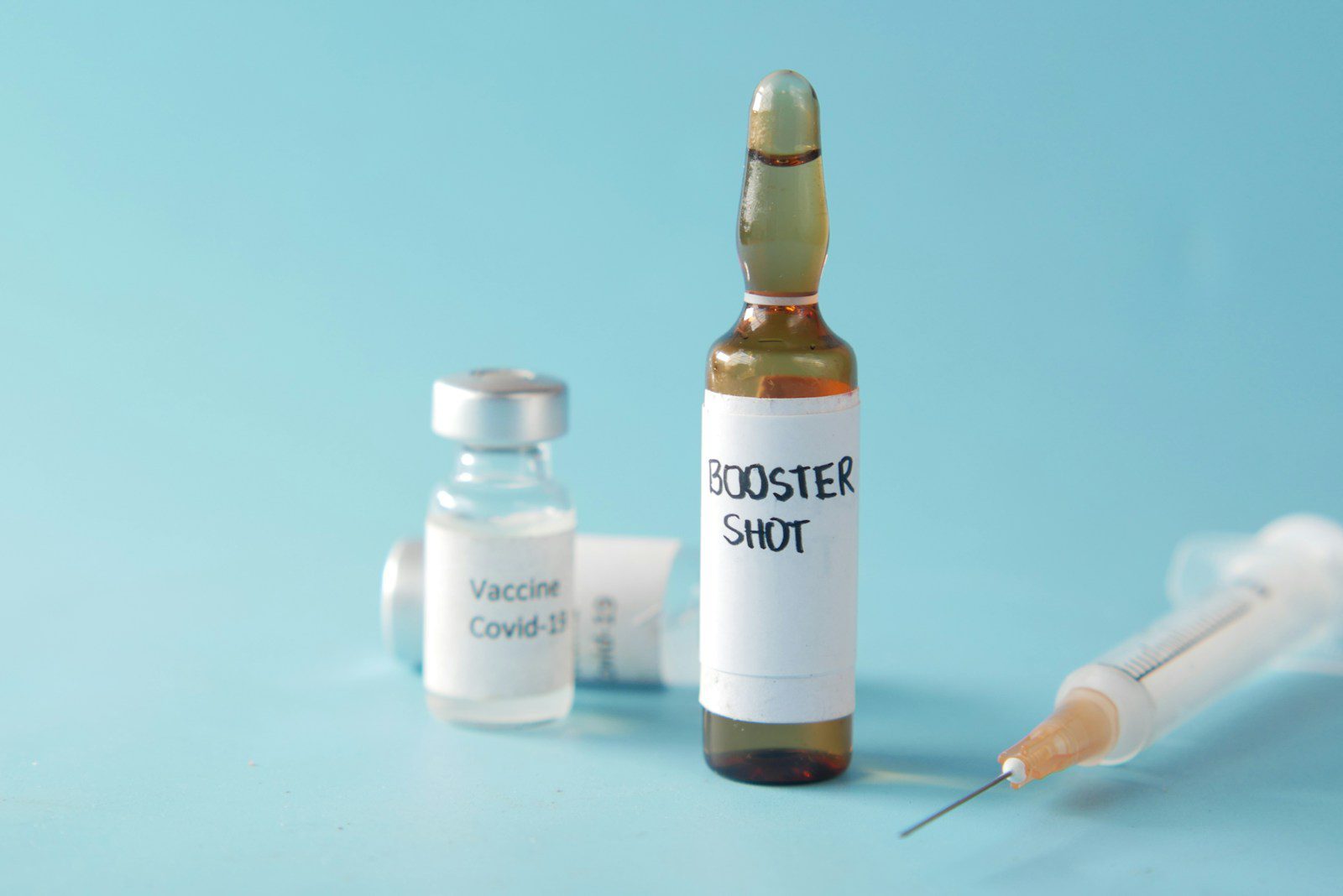
Booster Shots Explained: Renew Your Protection
Booster shots have become an essential part of modern healthcare, ensuring that individuals maintain robust immunity over time. With concerns over waning immunity, a well-timed second dose or booster shot serves as a reminder for the body to renew its protection against various infections. Whether it’s safeguarding against diseases like diphtheria and tetanus or keeping adolescents protected during critical growth periods, understanding the science, timing, and application of booster shots is essential. This article provides comprehensive insights into how boosters work, their effectiveness, and actionable tips for planning your next dose to ensure maximum protection.
Understanding Waning Immunity and the Role of Booster Shots
Our immune systems are powerful, yet over time, the levels of protection they offer can diminish—a concept known as waning immunity. The initial series of vaccinations often provides strong immunity, but this protective effect may decline, allowing pathogens an opportunity to cause infection. Booster shots are designed to reignite the immune response with a second dose or additional doses, especially important when there is evidence that immunity is declining.
How Waning Immunity Occurs
Vaccines work by stimulating the immune system to produce antibodies and memory cells that fight off infections. Over years, however, the concentration of these antibodies may drop. This is why booster shots are required—to remind the immune system of the threat and prompt it to produce more antibodies, effectively renewing protection.
Examples in Action
For instance, vaccines for diphtheria and tetanus often involve booster shots to maintain sustained immunity. In adolescents, who undergo rapid bodily changes, follow-up doses ensure that the vaccine’s impact remains robust during these critical periods, adapting to their evolving physiological needs.
The Effectiveness of Booster Shots
Booster shots have been clinically proven to enhance the overall effectiveness of vaccines by re-stimulating the immune response. Their contribution in keeping diseases at bay is critical, particularly when initial vaccine efficacy starts to decline due to waning immunity. Multiple studies have shown that receiving a booster can significantly renew protection and reduce the incidence of breakthrough infections.
Clinical Outcomes and Reinforcement of Protection
- Increased Antibody Levels: Booster shots result in a spike in antibody levels, which quickly mount a defense against disease-causing agents.
- Long-Term Immunity: Instead of temporary relief, boosters confer long-lasting protection that can extend the period of immune memory.
- Adaptability Against Variants: In cases like COVID-19, additional doses have proven effective against emerging variants.
Vaccine-Specific Booster Benefits
Beyond diphtheria and tetanus, the concept of booster shots is applied across various immunization protocols. For example, adolescent vaccines often require a follow-up booster to ensure that precursors to adulthood immunity are effectively maintained. The regular follow-up in these cases acts not only as a reminder for timely vaccination but also enhances overall health protection.
Timing and Follow-Up: When Is the Right Time for a Booster?
Understanding the correct timing for a booster shot is essential for maintaining continuous immunity. Medical professionals emphasize the importance of scheduled follow-ups, ensuring that the gaps between vaccine doses are optimal for the immune system to respond effectively.
The Ideal Vaccination Schedule
- Initial Series Completion: Once the initial vaccine series is completed, monitoring antibody levels can help determine the need for a booster.
- Scheduled Booster Appointments: Regular check-ups and a clear timeline for a second dose help avoid lapses in immunity.
- Risk-Based Timing: For high-risk populations or those with underlying conditions, following a strict booster schedule is even more critical.
Actionable Insights for Timely Boosters
To ensure you remain protected, consider setting up automated reminder systems through your healthcare provider or mobile health apps. Keeping a vaccination diary can also help track the timing and effectiveness of previous shots, giving you a practical approach to when a booster is needed.
Renewing Your Protection: Practical Steps for a Safe Booster Journey
Renewing your protection through booster shots involves a combination of understanding when and why to take them, along with active engagement in your healthcare routines. In this section, we outline actionable steps to ensure that boosting your immunity is a streamlined and efficient process.
Steps to Ensure a Smooth Booster Process
- Consult Your Healthcare Provider: Before scheduling a booster, it is essential to discuss your vaccination history and any specific risks you might face.
- Set Up Reminders: Whether via your smartphone or a printed calendar, a reminder for your next shot can be a simple yet effective measure.
- Monitor Your Health: Keep track of any symptoms or adverse effects following the booster shot, and if necessary, schedule a follow-up visit.
- Educate Yourself: Stay informed about new vaccine recommendations, which can change based on emerging research about waning immunity and the evolving nature of diseases.
Integrating the Booster Shot Into Your Health Regime
For many, incorporating a booster shot into their overall health strategy can be as straightforward as incorporating regular physical activity or a balanced diet. Recognize that maintaining immunity is an ongoing process. The benefits of going through with scheduled booster shots—especially when it acts as a reminder to keep one’s health on track—cannot be understated.
Special Considerations: Adolescent and Adult Booster Shots
Booster shots are not just for the elderly or at-risk populations; they are also critical for adolescents and younger adults. During adolescence, rapid physical development may demand additional vaccine doses to adapt to changing immune responses. This stage of life often involves both scheduled and emergency booster shots to ensure the body can contend with various infections effectively.
Adolescents and Boosters
For adolescents, routine boosters help maintain timely protection against diseases such as diphtheria and tetanus. As they transition into adulthood, these follow-up doses are a critical component of a lifelong vaccination strategy. Parents are often advised to keep a close check on the recommended vaccination schedules and maintain regular health consultations as a key to holistic well-being.
Boosters for Adults
In adult vaccinations, boosters are equally significant. As our bodies age, the immune systems might weaken, requiring timely interventions to mitigate risks associated with waning immunity. Whether it’s for travel, occupational exposure, or simply maintaining general health, adults should follow up with their vaccination schedules. The reinforcement provided by boosters renews protection and helps prevent outbreaks within communities.
Conclusion: Embrace Booster Shots to Sustain a Healthy Future
Booster shots are more than just an additional dose—they represent an ongoing commitment to personal and public health. By addressing issues like waning immunity and ensuring that a second dose is received at the right timing, these vaccines continually reinforce our body’s defense mechanisms. Whether protecting against infections like diphtheria and tetanus or safeguarding vulnerable populations such as adolescents, a timely booster shot can significantly enhance effectiveness and renew protection.
By incorporating clear follow-up schedules and utilizing reminder systems, individuals can actively engage in their healthcare journey. With the aid of actionable insights and practical examples, this comprehensive guide serves as an essential resource for understanding how booster shots function as a crucial component of immunization. Prioritize your health by aligning your vaccination schedule with expert recommendations, ensuring that you are well-protected now and in the future.


