
Combating the Inevitable: Understanding and Overcoming Muscle Loss After 60
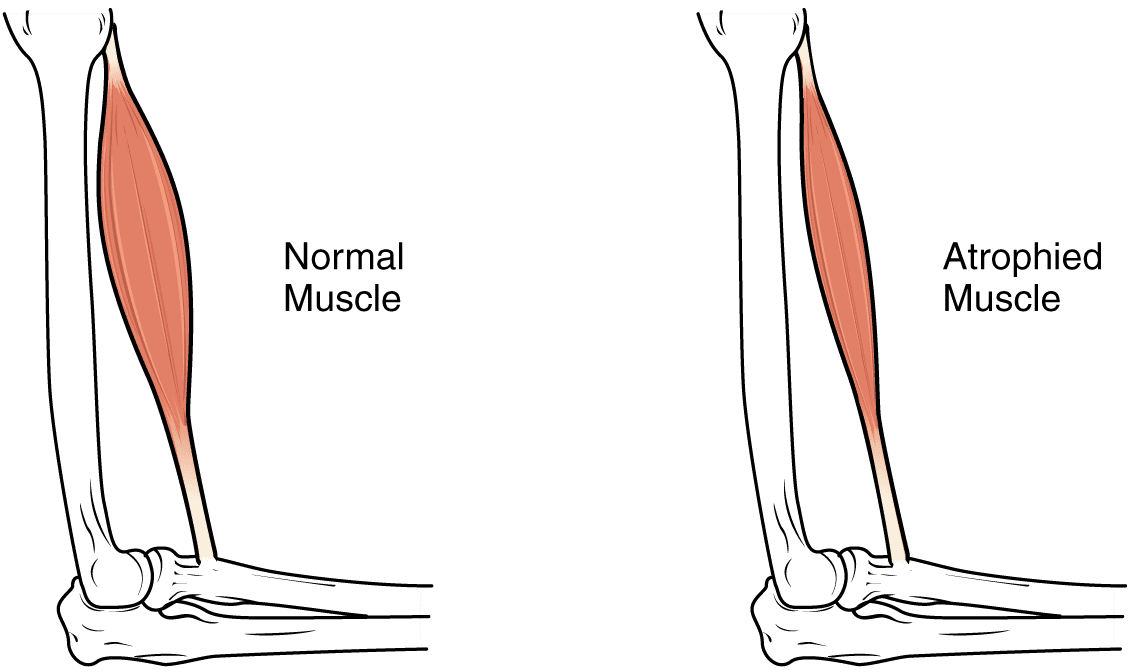
Reaching your 60s and beyond is a significant life milestone, often bringing wisdom and freedom. However, this phase also introduces subtle biological shifts, particularly concerning muscle mass and strength. A gradual, natural process called sarcopenia – age-related muscle loss – begins earlier in life but accelerates significantly after 60. This isn’t just about aesthetics; it’s a critical factor in overall health and independence. Muscle atrophy contributes directly to strength decline, increasing the risk of mobility issues, falls, and frailty in the elderly. Understanding this physical decline is the first step towards proactive management. The good news? While aging is inevitable, severe muscle loss isn’t a foregone conclusion. With targeted strategies, you can significantly slow, halt, or even reverse this trend, preserving vitality and function for years to come. Let’s explore how.
The Science Behind Sarcopenia: More Than Just “Slowing Down”
Sarcopenia is the medical term for the progressive loss of skeletal muscle mass, strength, and function associated with aging. It’s a complex process driven by several interconnected factors:
- Anabolic Resistance: As we age, our muscles become less responsive to the protein-building signals triggered by eating and exercise. This makes it harder to build and maintain muscle tissue.
- Hormonal Shifts: Declining levels of hormones like testosterone, growth hormone, and IGF-1 (Insulin-like Growth Factor-1) play a significant role in muscle atrophy.
- Neuromuscular Changes: The connection between nerves and muscles deteriorates, leading to fewer muscle fibers being activated and potentially denervation (loss of nerve supply), causing fiber shrinkage.
- Chronic Inflammation: Low-grade, persistent inflammation (“inflammaging”) accelerates the breakdown of muscle proteins and hinders repair.
- Mitochondrial Decline: The “powerhouses” of muscle cells become less efficient, reducing energy production needed for muscle contraction and repair.
This isn’t merely a cosmetic concern. Sarcopenia is a primary driver of the strength decline and physical decline observed in the elderly, fundamentally impacting their ability to perform daily tasks.
Unmasking the Consequences: From Strength Decline to Frailty
The impact of unchecked muscle loss extends far beyond weaker muscles. It triggers a cascade of effects that compromise overall health and independence:
- Increased Fall Risk & Fractures: Reduced leg strength and power directly impair balance and stability. Weaker muscles also mean less cushioning during a fall, increasing the risk of serious fractures, especially if bone density (osteoporosis) is also low.
- Mobility Issues and Loss of Independence: Simple tasks like rising from a chair, climbing stairs, carrying groceries, or walking moderate distances become challenging. This can lead to reduced activity, further accelerating muscle loss – a vicious cycle.
- Metabolic Slowdown & Weight Gain: Muscle is metabolically active tissue. Less muscle means a lower resting metabolic rate, making it easier to gain fat, particularly visceral fat, which increases risks for diabetes and heart disease.
- Frailty Syndrome: Sarcopenia is a core component of frailty – a state of increased vulnerability characterized by exhaustion, low activity, slow walking speed, and unintentional weight loss. Frailty significantly raises the risk of hospitalization, disability, and mortality.
- Impaired Recovery & Resilience: Reduced muscle mass weakens the body’s ability to recover from illness, surgery, or injury, prolonging recovery times and increasing complications.
Recognizing these potential outcomes underscores the critical importance of addressing muscle atrophy proactively to maintain quality of life.
Beyond Inevitability: Key Risk Factors You Can Influence
While aging is the primary driver of sarcopenia, several modifiable risk factors significantly influence its severity:
- Physical Inactivity: This is the single biggest controllable factor. A sedentary lifestyle dramatically accelerates muscle loss and strength decline.
- Inadequate Protein Intake: Many older adults don’t consume enough high-quality protein to overcome anabolic resistance and support muscle maintenance.
- Poor Nutrition: Deficiencies in key nutrients like Vitamin D (crucial for muscle function), B12, and overall calories (if unintentional weight loss occurs) exacerbate muscle wasting.
- Chronic Diseases: Conditions like heart failure, COPD, diabetes, chronic kidney disease, and cancer often accelerate muscle breakdown through inflammation and other mechanisms.
- Certain Medications: Some drugs (e.g., long-term corticosteroids) can promote muscle breakdown.
Identifying and managing these risk factors is a powerful strategy in combating physical decline and preventing frailty.
Your Action Plan: Proven Strategies to Preserve & Rebuild Muscle
Combating sarcopenia requires a consistent, multi-pronged approach. Here are actionable, evidence-based strategies:
1. Prioritize Progressive Resistance Training (PRT)
This is the cornerstone. Lifting weights or using resistance bands 2-3 times per week is non-negotiable.
- Focus on Major Groups: Target legs (squats, leg presses), back (rows), chest (presses), and core.
- Progressive Overload is Key: Gradually increase the weight, reps, or sets over time to continually challenge muscles. Example: Start with bodyweight squats, progress to holding light dumbbells, then increase weight incrementally.
- Form First: Proper technique prevents injury. Consider a few sessions with a physical therapist or certified trainer specializing in elderly fitness.
2. Optimize Protein Intake Strategically
Distribute protein intake evenly across meals to maximize muscle protein synthesis.
- Aim High: Target 1.2 to 2.0 grams of protein per kilogram of body weight daily (e.g., 75-125g for a 150lb person). Consult your doctor or a dietitian.
- Quality Matters: Prioritize lean sources: chicken, fish, eggs, Greek yogurt, cottage cheese, legumes, tofu, lean beef.
- Timing: Include 25-30g of protein in each meal. A post-workout snack with protein (e.g., Greek yogurt with berries) aids recovery.
3. Embrace Overall Balanced Nutrition
Protein is crucial, but it works synergistically with other nutrients.
- Calorie Sufficiency: Ensure adequate calories to fuel activity and prevent unintended weight loss, unless medically advised otherwise.
- Vitamin D: Get levels checked and supplement if deficient (common in older adults). Sun exposure helps, but often insufficient.
- Antioxidants & Omega-3s: Found in fruits, vegetables, fatty fish, and nuts; combat inflammation and support cellular health.
- Hydration: Dehydration impairs muscle function and recovery. Drink water consistently throughout the day.
4. Incorporate Daily Movement & Balance Work
Beyond dedicated strength sessions, stay active daily.
- Aerobic Activity: Aim for 150 minutes of moderate-intensity activity (brisk walking, cycling, swimming) weekly. This supports heart health and overall energy.
- Balance Exercises: Practice daily to prevent falls. Examples: Tai Chi, heel-to-toe walking, single-leg stands (hold onto support initially).
- Break Up Sitting: Avoid prolonged inactivity. Get up and move for a few minutes every hour.
5. Consult Your Healthcare Team
- Discuss your concerns about muscle loss and strength decline with your doctor.
- Review medications for potential impacts on muscle.
- Get screened for underlying conditions contributing to muscle atrophy.
- Consider physical therapy for personalized exercise guidance, especially if mobility issues are present.
Defying the Odds: It’s Never Too Late to Start
The narrative of inevitable physical decline and frailty in later life is being rewritten. Research consistently shows that even individuals well into their 80s and 90s can build muscle and regain significant strength through consistent resistance training and proper nutrition. Take John, 72: After a fall highlighted his weakness, he started supervised strength training twice a week and increased his protein intake. Within 6 months, he could easily rise from his chair without using his arms, walk confidently without his cane, and even resumed gardening – dramatically reducing his fall risk and boosting his confidence. Or Maria, 68: Diagnosed with early-stage sarcopenia, she combined resistance bands, walking, and a protein-focused diet. She not only halted her muscle loss but improved her bone density and energy levels, allowing her to travel and play actively with her grandchildren. These stories underscore a powerful truth: while aging brings changes, significant strength decline and mobility issues are not mandatory. Proactive intervention works.
Reclaiming Strength: Your Path to Vitality After 60
Muscle loss and strength decline after 60, driven by sarcopenia and muscle atrophy, are real physiological challenges of aging. However, labeling them as inevitable consequences is both inaccurate and disempowering. The path from maintaining muscle to preventing frailty and debilitating mobility issues is clear: consistent resistance training, strategic high-protein nutrition, overall balanced eating, and staying active are your most powerful tools. Understanding the risks and consequences empowers you to act. By embracing these evidence-based strategies, you actively combat physical decline, safeguard your independence, and significantly enhance your quality of life as part of the elderly population. It’s not about recapturing youth, but about building a resilient, strong foundation for the vibrant, active years ahead. Start today – your stronger, healthier future self will thank you.


