
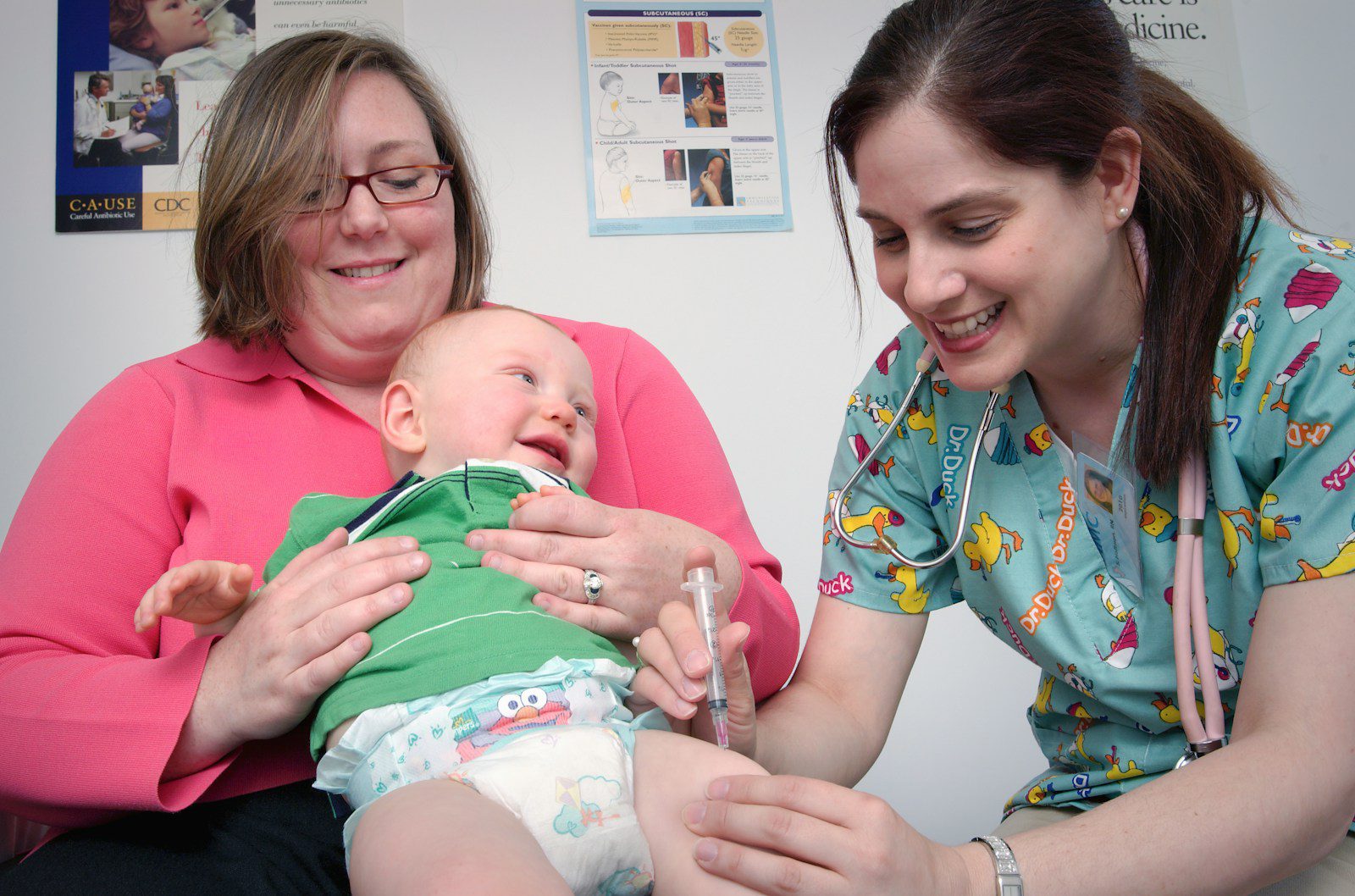
Introduction
The Pneumococcal Vaccine (PCV) stands at the forefront of preventive healthcare, offering protection against several serious bacterial infections such as pneumonia, meningitis, and ear infections. This vaccine plays a critical role in safeguarding infants and adults alike by promoting robust immunity and reducing the incidence of respiratory complications. Its formulation, including types like PCV13, has been meticulously designed to combat the challenges posed by changing bacterial strains. In this article, we will explore the intricacies of the pneumococcal vaccine, delve into its dosing schedule and booster recommendations, and provide actionable insights to help you understand this essential medical breakthrough. Whether you are a parent, caregiver, or healthcare professional, this guide underscores why timely administration can be lifesaving.
Understanding the Pneumococcal Vaccine (PCV)
The Pneumococcal Vaccine is designed to protect people against infections caused by the bacterium Streptococcus pneumoniae. This pathogen is notorious for causing severe respiratory illnesses and complications, including pneumonia, meningitis, and ear infections. The vaccine is especially important for infants, whose developing immune systems may not efficiently combat these bacteria on their own.
Overview of PCV Types and Their Mechanisms
There are mainly two types of pneumococcal vaccines available. The first, PCV13, targets 13 strains of the pneumococcal bacteria, providing a broad spectrum of protection. The second type, a conjugate vaccine, has enhanced efficacy especially in younger children by combining pieces of the bacteria with a protein carrier. This fusion prompts a stronger immune response, effectively reducing the risk of invasive pneumococcal diseases.
- PCV13: Offers protection against 13 common strains of the bacteria and is recommended for infants and children.
- Pneumococcal polysaccharide vaccine (PPSV23): Though not the primary focus of this article, it’s another tool used for older adults and individuals with certain medical conditions.
How PCV Works to Enhance Immunity
The key to the effectiveness of the Pneumococcal Vaccine lies in its ability to bolster the body’s immune response. When administered, the vaccine stimulates the production of antibodies targeted to fight the pneumococcal bacteria. This immune reaction is crucial in preventing the severe complications associated with respiratory pathogens such as pneumonia and meningitis.
The Role of Booster Doses
For optimal protection, especially in infants, multiple doses are necessary. The initial series of doses helps prime the immune system, while a booster dose later on ensures long-term immunity. Administering these doses on schedule is vital to maintaining adequate coverage against potential threats. The booster executes a “reminder” function for the body, reactivating the immune memory that was first generated during the initial vaccinations.
Immunity and the Human Body Response
Vaccines like PCV play a dual role: they reduce disease incidence and decrease the overall bacterial load in communities. When more individuals are vaccinated, the phenomenon of herd immunity emerges. This not only protects those who are immunized but also some vulnerable individuals who cannot receive the vaccine due to medical reasons. In summary, the vaccine prompts the body’s defenses to recognize and swiftly counteract any invasion by the pneumococcal bacteria, reducing the chance of severe respiratory infections.
Dosing Schedules and Recommendations for Infants
The effectiveness of the pneumococcal vaccine in infants is largely dependent on the correct dosing schedule. Medical authorities have established guidelines that revolve around age-specific administration of the vaccine.
Standard Dosing Guidelines
Typically, the standard dosing schedule for PCV13 in infants involves a primary series followed by a booster dose. The regimen is usually as follows:
- Primary Dose: Administered at 2, 4, and 6 months of age.
- Booster Dose: Given at 12-15 months of age.
This schedule ensures continued development of immunity as the infant grows, covering the period when the child is most vulnerable to serious bacterial infections.
Actionable Insights for Parents and Caregivers
If you are responsible for an infant’s health, remain in close contact with your healthcare provider to ensure that the vaccine schedule is strictly adhered to. Keep a record of vaccination dates and consult the immunization calendar to schedule upcoming doses. Recognizing the importance of adherence to these doses, including the booster, can significantly reduce the risk of community-acquired pneumonia, meningitis, and other respiratory infections.
Benefits of Pneumococcal Vaccination: A Closer Look
Vaccination has a wide range of benefits that extend beyond individual protection. The following sections highlight the broader impact of the pneumococcal vaccine on public health.
Reduction in Hospitalizations and Severe Illness
Numerous studies have shown that widespread vaccination leads to a decrease in hospital admissions due to pneumonia and other severe bacterial infections. This trend not only reduces the burden on healthcare systems but also lowers overall mortality rates, particularly among infants and the elderly.
Community Immunity and Prevention of Disease Spread
When a significant portion of the community is immunized against the pneumococcal bacteria, the spread of diseases is curtailed. This herd immunity effect is particularly crucial for protecting individuals who cannot be vaccinated due to allergies or other contraindications. The reduction in bacterial circulation naturally limits the occurrence of ear infections and other complications that can escalate into more severe respiratory conditions.
Long-term Economic and Social Benefits
Beyond the immediate health benefits, pneumococcal vaccination contributes to long-term socio-economic advantages by minimizing healthcare expenditures related to treatable infections. Reduced morbidity means fewer days of work lost and lower medical costs. For families, especially those with infants who require multiple doses and a booster, timely vaccination is a sound investment in future well-being and stability.
Actionable Examples and Best Practices
To put the importance of the Pneumococcal Vaccine into perspective, consider the following examples and practical tips:
Case Study: Preventing Outbreaks in Daycare Centers
Consider a daycare center where several infants are routinely vaccinated according to the recommended schedule. Due to high vaccination rates, even if one child develops a minor bacterial infection, the risk of an outbreak is considerably minimized. This safeguarding of a vulnerable population illustrates the broader community benefits of adhering to vaccination guidelines.
Tips for Healthcare Providers
- Educate: Clearly explain to parents and caregivers the significance of each dose, from the first shot to the booster.
- Reminders: Utilize digital calendars and apps for scheduling and sending reminders for upcoming doses.
- Follow-Up: Regularly monitor immunization records to ensure that patients receive all required doses on time.
Family-Centric Strategies for Prevention
Families should consider consolidating vaccine appointments with regular pediatric visits. This not only streamlines logistics but also allows healthcare providers to discuss other aspects of infant care. Engaging in community health programs that focus on respiratory health can further amplify the protective effect of the pneumococcal vaccine.
Conclusion
In summary, the Pneumococcal Vaccine (PCV), including the widely-used PCV13, is a cornerstone of preventive healthcare that combats bacterial infections leading to pneumonia, meningitis, and ear infections. Through a well-defined dosing schedule that includes primary doses and a critical booster, the vaccine ensures robust immunity, particularly in infants and individuals at higher risk. The long-term benefits extend beyond individual immunity, contributing significantly to community safety and reducing the overall burden on healthcare systems.
Embracing the pneumococcal vaccine is a proactive step towards maintaining respiratory health and curtailing the spread of dangerous bacteria. Whether you are a parent, a caregiver, or a healthcare provider, keeping abreast of vaccination schedules and best practices is essential. By ensuring timely and complete vaccination, we can collectively protect our communities while diminishing the prevalence of severe bacterial infections, thereby paving the way for a healthier future.


