
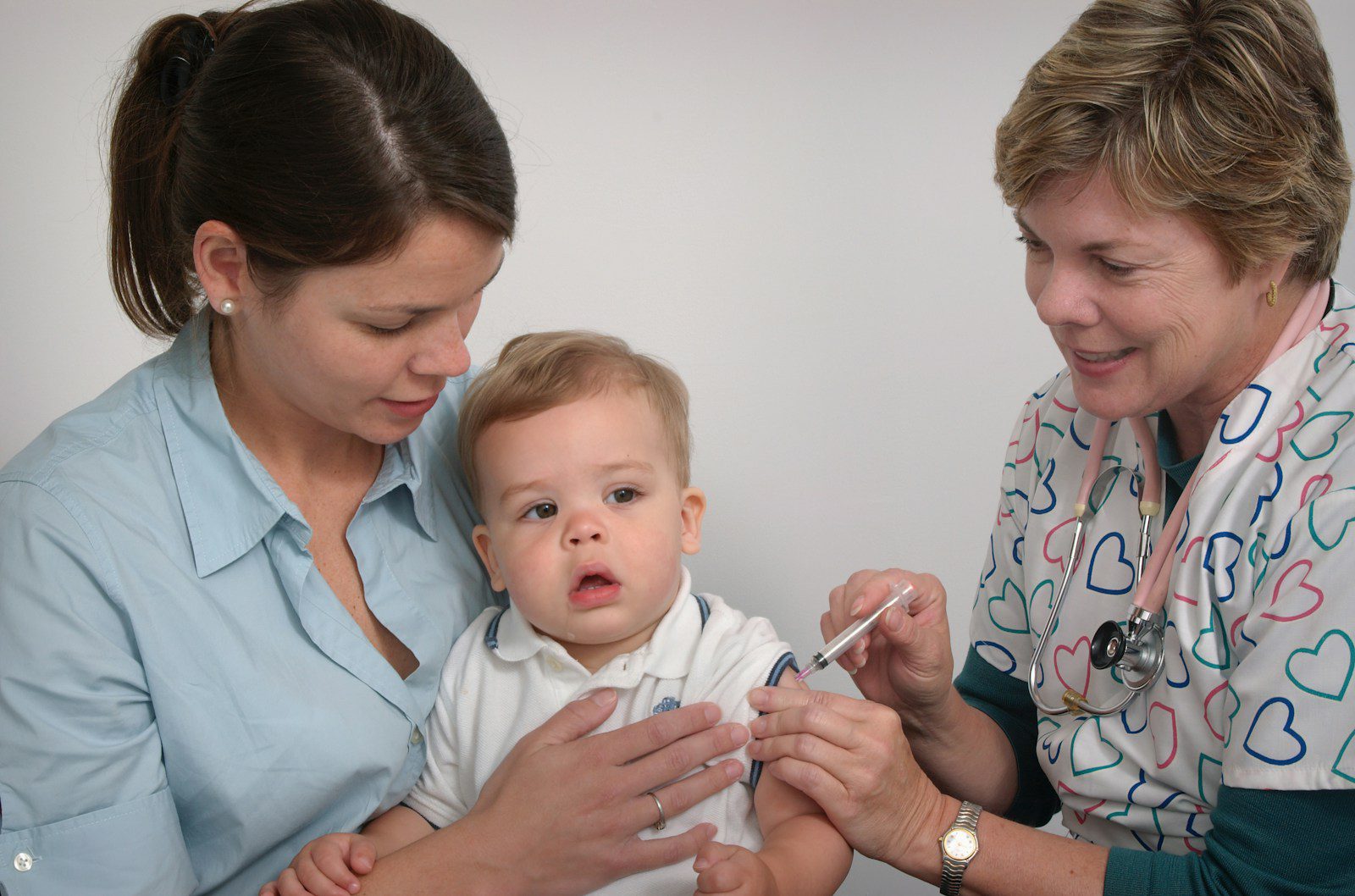
Introduction: Protecting Your Infant Against the Dangers of Rotavirus
Rotavirus is a leading cause of severe diarrhea and vomiting in infants and young children. As a prevalent stomach virus, it poses a significant risk for dehydration and hospitalization, particularly in countries with limited healthcare resources. The rotavirus vaccine, administered as an oral dose, is a groundbreaking measure that offers early protection against this infectious agent. In this article, we will explore the intricate details of the rotavirus vaccine, its benefits, the recommended series, and actionable insights for parents and caregivers. By understanding how this live vaccine works, you will be better equipped to safeguard your infant against the potential side effects of the virus, such as severe diarrhea and dehydration.
Understanding Rotavirus and Its Impact
Rotavirus is a highly contagious virus that primarily affects infants and young children, causing a range of symptoms that include diarrhea, vomiting, and sometimes fever. This stomach virus spreads quickly, and if left untreated, can lead to serious dehydration. According to global health statistics, before the introduction of the rotavirus vaccine, the virus was responsible for hundreds of thousands of hospitalizations each year due to dehydration. Understanding these risks highlights the urgent need for vaccination to protect the health and well-being of our youngest and most vulnerable members of society.
- Diarrhea: A common outcome of a rotavirus infection which can quickly lead to dehydration if not managed properly.
- Vomiting: Often accompanies diarrhea, making fluid loss through the stomach more significant.
- Dehydration: The most dangerous complication of a severe rotavirus infection due to fluid imbalance.
How the Rotavirus Vaccine Works
The rotavirus vaccine is a live vaccine that is administered in the form of an oral dose. This method is particularly effective because it mimics the natural infection route of the virus, engaging the immune system directly in the gut—the primary site of infection. Once administered, the vaccine stimulates the body to build defenses against the rotavirus, thereby preventing severe illnesses. The vaccine is not made from a dead virus but from a weakened form that triggers immune response without causing the full-blown disease. This characteristic makes it a critical tool in curbing the spread of the infection while ensuring a robust immune memory for infants.
- Step 1: The live vaccine is given orally, allowing it to interact with the intestinal lining.
- Step 2: The weakened virus activates the immune system to produce antibodies.
- Step 3: These antibodies provide long-term protection, significantly reducing the severity of the infection if exposed to the wild-type virus.
With this mechanism, the rotavirus vaccine plays a vital role in lessening the overall burden of disease and drastically reducing cases of severe diarrhea and related complications.
Benefits of the Rotavirus Vaccine
Immunization with the rotavirus vaccine offers multiple benefits, both immediate and long-term, especially for infants. Here are some of the key advantages:
- Early Protection: Administering the vaccine at an early age ensures that the infant’s immune system is prepared to fend off the virus. This proactive step is essential to limit the impact of the virus during the most vulnerable period of a child’s life.
- Reduced Hospitalizations: Studies have shown that vaccinated infants have significantly lower rates of hospitalization due to severe diarrhea and dehydration. This reduction in hospital visits is not only beneficial for the individual but also eases the pressure on healthcare systems.
- Community Health: Widespread vaccination helps in achieving herd immunity, reducing the overall prevalence of the virus in communities, which in turn lowers the risk of outbreaks.
- Cost Savings: Preventing severe cases of rotavirus infection can lead to considerable savings in healthcare costs, both for families and the community at large.
The cumulative benefits of the rotavirus vaccine underscore its importance in public health strategies aimed at reducing the occurrence of severe gastrointestinal infections in infants.
Administration and the Recommended Vaccine Series
The rotavirus vaccine is typically administered as an oral dose in a series, starting at around 2 months of age. Following the complete series is crucial for ensuring optimal protection. The vaccine schedule may vary slightly based on the specific vaccine formulation, but generally includes multiple doses spaced several weeks apart. This schedule is designed to build the infant’s immunity gradually, creating a strong and lasting defense against the virus.
Key Steps in the Vaccination Process
Here is an overview of what caregivers can expect during the vaccination process:
- Initial Dose: The first oral dose is administered at approximately 2 months of age. This is critical for starting the immune response against the virus.
- Follow-Up Doses: One or two subsequent doses follow, depending on the vaccine brand. Each dose reinforces the immune system’s memory, ensuring that protection is maintained as the child grows.
- Timely Administration: Strict adherence to the vaccine schedule enhances the vaccine’s overall effectiveness by ensuring that the immune system remains primed to combat the virus.
For example, if a parent observes that their infant has begun to show symptoms of mild gastrointestinal discomfort after the initial dose, it is still essential to complete the series. The cumulative effect of the oral dose in each scheduled appointment is key to maintaining long-term protection.
Addressing Potential Side Effects and Safety Concerns
While the rotavirus vaccine is highly effective in preventing severe cases of diarrheal disease, like any medical intervention, it may have some side effects. However, these are typically mild and temporary. The most common side effects include:
- Mild Diarrhea: Some infants may experience a slight increase in loose stools after the vaccination, which usually resolves without intervention.
- Vomiting: A transient episode of vomiting might occur shortly after receiving the oral dose, but this is generally short-lived.
- Irritability: Occasional fussiness or irritability can be observed, but these symptoms do not usually warrant any concern.
It is essential for caregivers to monitor the infant for any adverse reactions, particularly signs of dehydration, which although rare post-vaccination, should be addressed immediately. In rare cases, if any severe side effects or allergic reactions are observed, parents should seek medical advice promptly. The safety profile of the rotavirus vaccine has been well-established through extensive clinical trials and continuous monitoring, making it a trusted tool in pediatric healthcare.
Actionable Insights for Parents and Caregivers
Taking proactive steps to protect your infant against rotavirus is crucial. Here are some actionable tips:
- Follow the Vaccine Schedule: Ensure that your infant receives the vaccine as per the recommended series for early protection. Missing doses can compromise the effectiveness of the immunization.
- Monitor for Side Effects: After each oral dose, keep an eye out for any side effects such as diarrhea or vomiting. Use rehydration solutions if necessary, and consult your healthcare provider if symptoms persist.
- Educate Yourself: Stay informed about the benefits and risks of the rotavirus vaccine. Reliable sources such as the CDC or WHO can offer updated information on vaccination practices and any emerging research on vaccine side effects.
- Advocate for Community Health: Share information about the rotavirus vaccine with other parents. Increased awareness and uptake of the vaccine help reduce the overall incidence of the virus in the community, protecting those who are unable to receive it due to medical reasons.
Implementing these insights can significantly reduce the risks associated with rotavirus, providing a safer environment for your child. As an example, consider joining a local parent group or online forum to exchange experiences and tips about managing typical side effects, which can provide comfort and assurance during the vaccination process.
Conclusion: A Step Towards a Healthier Future for Our Infants
In summary, the rotavirus vaccine stands as one of the most effective tools in the fight against severe gastrointestinal infections in infants. With a well-established schedule involving an oral dose series, the vaccine offers early protection against the potentially devastating effects of this stomach virus. Although there may be mild side effects like diarrhea or vomiting, the overall benefits—including reduced hospitalizations and alleviation of dehydration risks—vastly outweigh these temporary concerns. For parents and caregivers, ensuring timely immunization is a critical step towards safeguarding the health of their children. Embracing this proactive approach not only protects individual infants but also contributes to the broader community’s well-being, making the rotavirus vaccine a cornerstone of pediatric health strategy.


