
Introduction
Pretend play and role playing are more than just child’s play—they serve as gateways to enhanced creativity, language skills, and overall cognitive development. In today’s rapidly evolving world, nurturing these abilities in early years is essential for building a solid foundation in communication, emotional expression, and problem-solving. Through the engaging world of storytelling, children not only learn social scripts but also navigate peer interaction effortlessly. This article delves into the multiple benefits of pretend play by exploring practical applications and actionable insights. Whether you’re a parent, educator, or caregiver, understanding the dynamics of object substitution and role playing can empower you to create an environment that nurtures growth, imagination, and self-confidence.
Role Playing and Pretend Play: Unlocking Creativity
Pretend play and role playing are dynamic activities where children step into various characters or scenarios, thus triggering latent creativity. When children engage in imaginative scenarios, they are not only having fun but also tapping into their creative potential to invent narratives, define characters, and set up experiments with social scripts. This creative exercise is fundamental for many developmental milestones.
Key Benefits:
- Enhanced Creativity: By exploring multiple roles and contexts, children learn to think outside the box and make creative choices.
- Innovative Thinking: Children develop the habit of exploring “what if” situations, critical for later innovation in academic and social settings.
- Imagination Boost: Engaging in role playing opens a realm of storytelling possibilities that foster the use of unique problem-solving techniques.
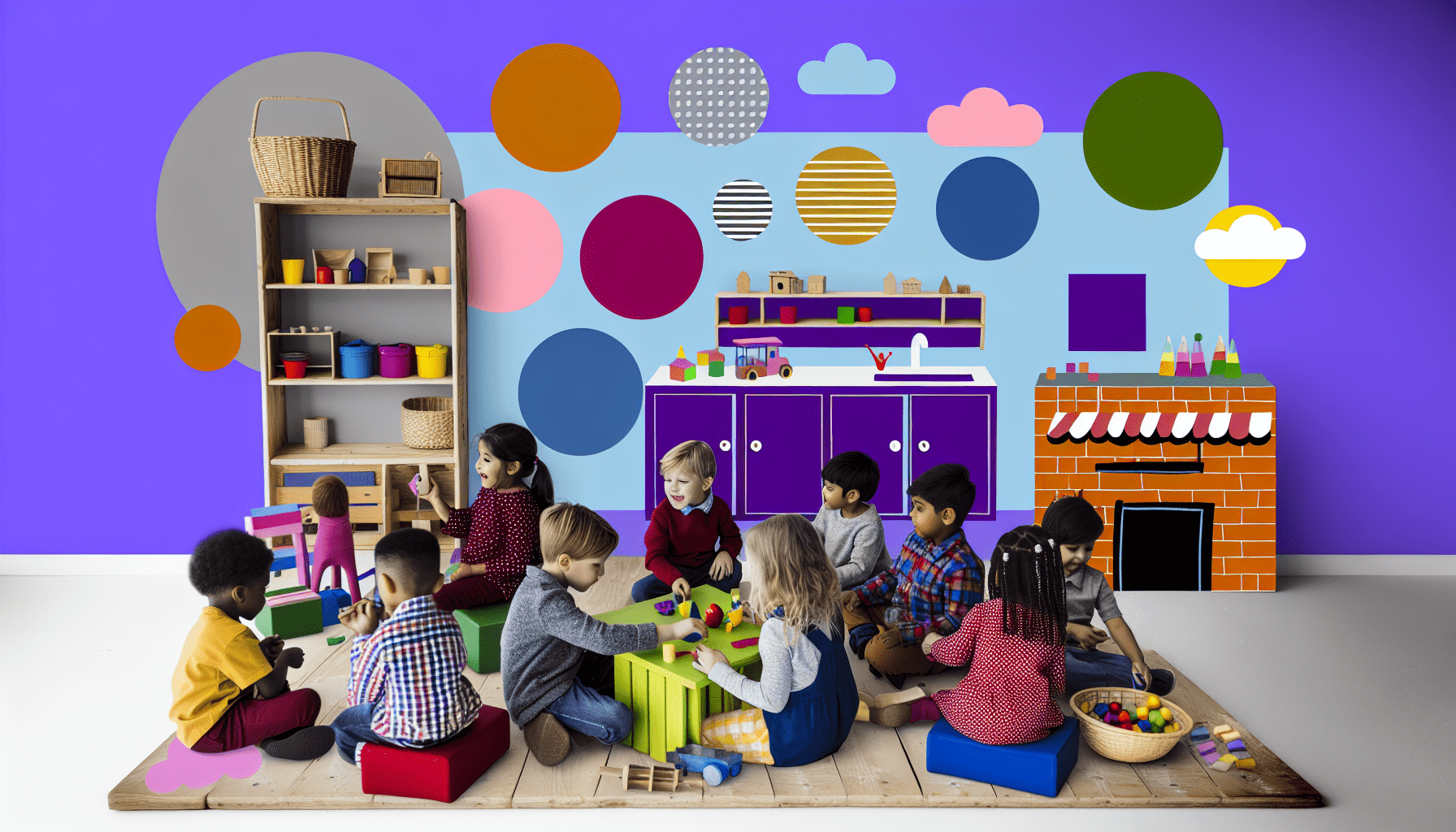
For instance, a simple game of “store” can evolve into a multifaceted simulation where children pretend to be cashiers, customers, and managers, each contributing to a rich tapestry of imaginative storylines. This sort of activity encourages creative thinking and helps internalize social norms through natural object substitution and narrative building.
Enhancing Language Skills and Storytelling
The process of pretend play inherently integrates language skills with storytelling. Engaging in role playing exposes children to longer dialogues, descriptive language, and narrative structures. As children assume different roles, they experiment with new words, phrases, and sentences, thus naturally enhancing their language skills.
How It Works:
- Language Expansion: Children learn and adopt new vocabulary related to various pretend scenarios, from the genuine lingo of a doctor to the fanciful language of a fairy tale.
- Storytelling Techniques: Role playing allows the experimentation with different storytelling techniques, including beginning, middle, and end, thus strengthening narrative skills.
- Interactive Communication: Engaging with peers during role playing sessions broadens the scope of interactive communication while reinforcing grammatical correctness.
A practical example is a role-playing session where a child acts as a storyteller in a campfire setting. They set up a narrative with a beginning, conflict, climax, and resolution. This encourages effective communication, reinforces memory retention, and helps hone both linguistic and cognitive skills, making it easier to articulate thoughts clearly in everyday interactions.
Emotional Expression, Problem-Solving, and Social Scripts
Pretend play is a safe arena for children to express emotions and navigate complex scenarios that mirror real-life challenges. Through role playing and storytelling, they internalize social scripts that guide emotional expression and help them develop robust problem-solving strategies when faced with challenges.
Emotional and Cognitive Benefits Include:
- Emotional Expression: Playing different roles enables children to work through emotions such as joy, sadness, fear, and anger in a controlled setting.
- Problem-solving Skills: When children face hypothetical dilemmas during role play, they experiment with different strategies to overcome obstacles, thus naturally improving critical thinking.
- Social Scripts Mastery: Engaging in repetitive social interactions contributes to understanding and internalizing expected social behavior, preparing children for real-world interactions.
For example, a role-playing scenario involving a superhero who faces a moral dilemma lays the groundwork for discussions about right and wrong. Children can experiment with various problem-solving approaches and witness firsthand the consequences of those decisions, thus bolstering their ability to manage emotions and resolve conflicts effectively in social settings.
Peer Interaction and Object Substitution in Pretend Play
Peer interaction is a key component of effective pretend play. When children interact with peers in a role playing scenario, they learn the essential skills of compromise, negotiation, and collaboration. Object substitution, where one object stands in for another in imaginative roles, further enhances the depth of play and makes scenarios more flexible and engaging.
Why Object Substitution Matters:
- Adaptive Thinking: Transforming a stick into a sword or a cardboard box into a car encourages children to think creatively and resourcefully.
- Collaboration and Sharing: Cooperative play with object substitution builds skills in sharing, communication, and mutual problem-solving.
- Enhanced Imagination: The ability to substitute objects enhances storytelling and role playing, creating more immersive experiences for all involved.
An illustrative scenario might involve children simulating a construction site, where simple objects like blocks or containers become essential tools or vehicles. This not only supports the development of fine motor skills but also nurtures a sense of community through peer interaction where every participant contributes ideas and resources, making the social learning experience richer.
Actionable Insights and Practical Examples
Integrating pretend play and role playing into daily routines can yield substantial benefits across multiple developmental domains. Here are some actionable insights and practical examples to help educators and caregivers foster such environments:
- Scheduled Playtime: Create a consistent routine that allocates time for role playing sessions. For instance, a “pretend play hour” every day allows children to explore different narratives, reinforcing storytelling while keeping the focus on peer interaction.
- Thematic Play Areas: Designate areas in your home or classroom for specific pretend play themes, such as a mini kitchen, a doctor’s office, or a space station. This uses object substitution extensively by converting everyday items into tools that support the theme.
- Interactive Storytelling Sessions: Organize regular storytelling sessions where children collaboratively build a narrative. This not only reinforces language skills but also encourages active listening and emotional expression.
- Role Rotation: Encourage children to swap roles, which can support adaptability and empathy. This practice ensures that every child has the opportunity to experience various perspectives, promoting strong social scripts and diverse problem-solving strategies.
- Incorporate Props: Use simple objects as props to stimulate pretend play. A scarf might become a cape, a box could transform into a magical castle, or a spoon might act as a microphone. These substitutions help spark creativity while reinforcing the connection between real objects and imaginative roles.
One notable example includes a role-playing game where children act out a scenario of a community helper day. They can rotate roles such as firefighters, police officers, or doctors. This not only enhances language skills and encourages problem-solving in handling simulated emergencies, but also fosters creativity and emotional expression as they discuss the responsibilities associated with each role.
Conclusion
In conclusion, pretend play and role playing are indispensable tools that harness creativity, enhance language skills, and nurture storytelling abilities in children. By promoting emotional expression, problem-solving, and solidifying social scripts, these activities prepare children to interact confidently and empathetically with the world. Engaging in such imaginative play, with the inclusion of peer interactions and object substitution, paves the way for a richer, more versatile skill set. Educators and caregivers can make a lasting impact by fostering structured yet playful environments. Ultimately, encouraging these forms of play is not only beneficial in early development but also lays the groundwork for lifelong learning and adaptability—key strengths in our ever-changing society.


