
Table Of Contents
- 1 Introduction
- 2 The Role of Grab-Bars, Ramps, and Thresholds in Enhancing Home Safety
- 3 Improving Safety in Bathrooms and Kitchens with Non-Slip Design
- 4 Designing Secure Stairways and Railings for Every Home
- 5 Modern Thresholds and Doorways: Gateway to Inclusive Design
- 6 Actionable Insights and Real-World Examples
- 7 Conclusion
Introduction
Accessibility and safety are essential elements in every home design, whether you’re planning renovations or designing a new space from scratch. Today’s article explores the critical components of modern home modifications: grab-bars, ramps, thresholds, doorways, bathrooms, kitchens, stairways, railings, non-slip surfaces, and overall accessibility. By integrating these features, homeowners and designers can create safer, more functional environments that cater to people of all mobility levels. In the following sections, we dive into actionable insights and real-world examples that illustrate how each element enhances safety and ease of movement. Whether you’re addressing a single area or considering a comprehensive upgrade, these tips will help you achieve both aesthetic appeal and optimal accessibility.
The Role of Grab-Bars, Ramps, and Thresholds in Enhancing Home Safety
When planning modifications for better accessibility, one often overlooked aspect is the strategic placement of grab-bars, ramps, and thresholds. These features are crucial in ensuring a smooth transition between spaces, especially for those who require extra support or use mobility aids.
Grab-Bars: A Must-Have in High-Risk Areas
Grab-bars are essential in areas prone to slips and falls, such as bathrooms and stairways. Installing grab-bars can reduce the risk of accidents, allowing users to steady themselves while moving between surfaces. Furthermore, grab-bars are available in various styles and finishes, which can seamlessly blend into your home décor.
- Installation around bathtubs and showers provides critical support for individuals with limited mobility.
- Strategic placement near entrances to aid balance transitions.
- Enhanced grip through ergonomically designed metal or plastic bars.
Ramps and Thresholds: Bridging the Accessibility Gap
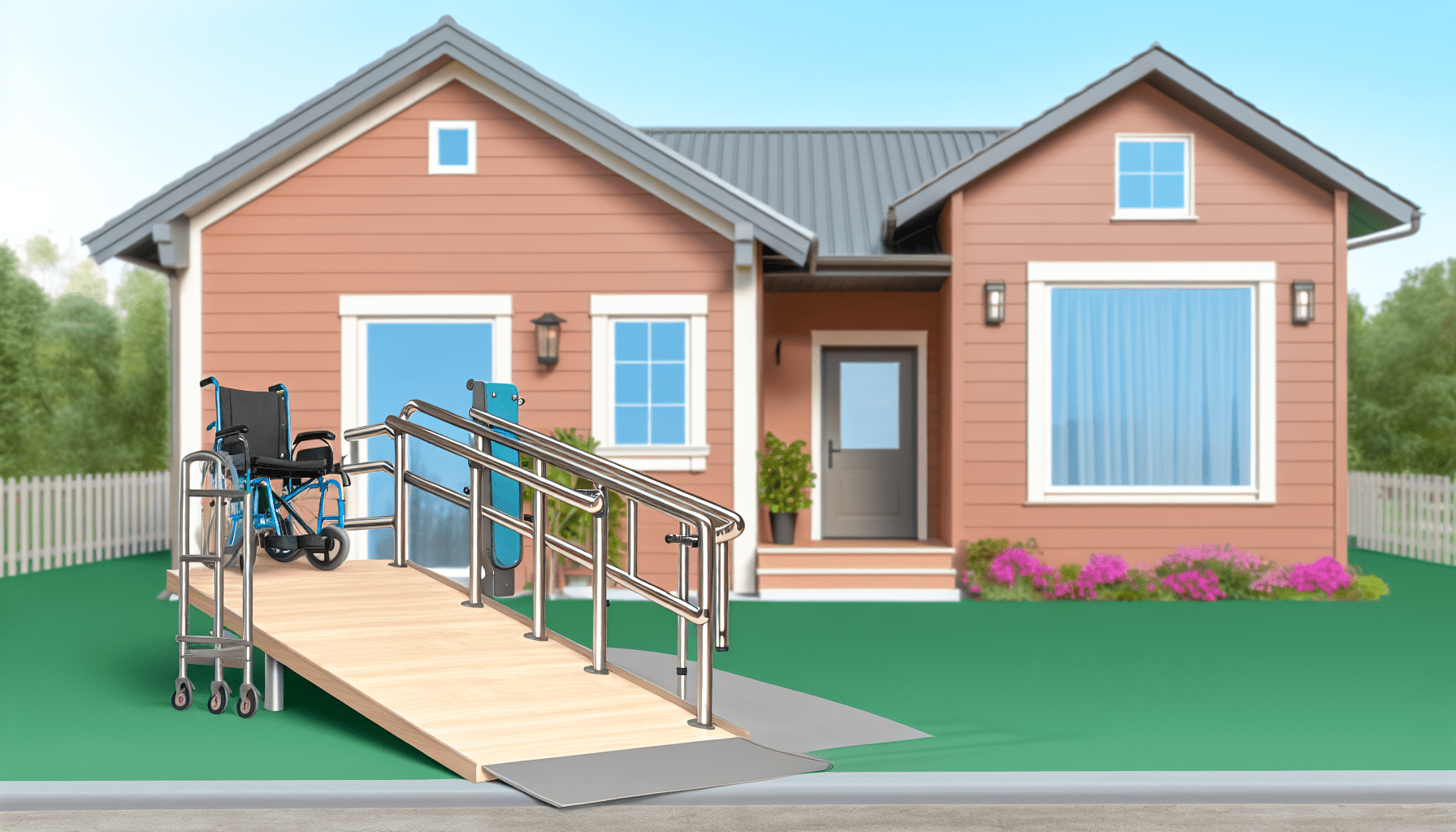
Ramps and thresholds play a key role when it comes to ensuring a smooth, level transition between spaces. Ramps are crucial at entrances, exits, and over steps where traditional staircases present challenges. Meanwhile, adjustable thresholds help in minimizing trip hazards at doorways and between different flooring types.
- Install ramps with a gentle incline to maximize ease of movement.
- Ensure thresholds are designed to prevent tripping, using non-slip materials.
- Coordinate the design with the overall aesthetic of your home, opting for finishes that match interior decor.
Improving Safety in Bathrooms and Kitchens with Non-Slip Design
The bathrooms and kitchens are two primary areas in the home where safety must be a top priority. Incorporating non-slip solutions along with supportive structures like grab-bars can transform these spaces into safe, accessible environments.
Bathrooms: Where Function Meets Safety
Bathrooms are often prone to slippery surfaces. To combat this, it’s essential to integrate non-slip flooring options along with strategically placed grab-bars that ensure maximum stability. In addition, consider installing a combination of grab-bars and adjustable features that cater to both standing and seated positions.
- Non-slip tiles or mats for floors and shower bases.
- Grab-bars near the toilet and bathtub to enhance balance.
- Anti-microbial surfaces to reduce the risk of bacteria and infections while ensuring durability.
Kitchens: Balancing Functionality and Accessibility
Areas such as the kitchen should be designed to offer both comfort and functionality. Incorporating non-slip surfaces in the cooking areas not only minimizes the risk of accidents but also enhances accessibility for individuals with mobility challenges. Consider designs that allow smooth navigation, especially around islands and counters, by installing lower countertops or pull-out shelves that reduce the need for reaching high or bending low.
- Non-slip adhesives and flooring materials to prevent accidents.
- Optimized layout planning that reduces clutter and allows for clear maneuvering space.
- Adjustable grab-bars near sinks or cooking areas where spills might occur.
Designing Secure Stairways and Railings for Every Home
Stairways can be potential hazards if not designed with accessibility and safety in mind. Whether you opt for a grand staircase or a more modest design, incorporating secure and stylish railings can make a significant impact. It is crucial for stairways to combine function with form by including non-slip surfaces along with sturdy railings.
Stairways: Integrating Non-Slip Insights
A well-designed stairway should incorporate non-slip treads or coatings that reduce the risk of falls in wet or hurried conditions. Additionally, strategic lighting paired with complementary grab-bars will ensure that every step is visible and secure.
- Consider non-slip strips on each step to increase grip.
- Install hand rails on both sides of the stairways to provide better balance.
- Use contrasting colors on step edges to improve visibility for all users.
Railings: The Backbone of Stairway Safety
Railings are the unsung heroes of stairway safety. They serve as essential grab points for any individual traversing through multiple levels. When selecting railings, ensure that they are solidly fixed and made from materials that can withstand regular use without compromising aesthetic appeal.
- Choose materials such as stainless steel or coated aluminum for durability.
- Ensure the height and spacing meet local accessibility standards.
- Incorporate design elements that complement existing décor while optimizing safety.
Modern Thresholds and Doorways: Gateway to Inclusive Design
Accessible doorways and thresholds are indispensable in creating a barrier-free home environment. They provide smooth transitions between spaces while supporting easy movement for everyone, including those using wheelchairs or walkers. Thoughtfully designed doorways and thresholds ensure that every area of your home is inclusive and user-friendly.
Designing Accessible Doorways
Doorways should be sufficiently wide to accommodate various mobility aids. Using lever door handles instead of knobs and ensuring that the door swings in a direction that does not restrict access can enhance the overall user experience. Thoughtful layout modifications may also include integrating automated doors that are sensor-activated, providing a touch-free experience.
- Ensure doorways have ample clearance to facilitate wheelchairs and strollers.
- Integrate non-slip mats at entry points for added safety.
- Regularly maintain door mechanisms to avoid unexpected issues that may compromise accessibility.
Thresholds: Minimizing Barriers with Smart Choices
Classic thresholds may cause trip hazards if not designed correctly. Modern thresholds use innovative materials and designs that not only prevent tripping but also create smooth transitions between areas with different floor levels. Options include beveled edges or adjustable thresholds that adapt to your needs.
- Choose thresholds that are flush with the floor to remove obstacles.
- Ensure the materials used are both durable and easy to maintain.
- Consider integrating non-slip features in thresholds that face outdoor elements.
Actionable Insights and Real-World Examples
Successful integration of accessibility features hinges upon a blend of thoughtful design, continual assessment, and the incorporation of trends in home safety. Let’s review some concrete, actionable steps and real-world applications that can serve as models for your project.
Step-by-Step Accessibility Improvements
- Assessment: Identify areas in the home that need immediate changes. Prioritize spaces like bathrooms, kitchens, and stairways where grab-bars and non-slip finishes are most effective.
- Planning: Consider hiring professionals such as occupational therapists or accessibility consultants who can offer comprehensive audits focusing on grab-bars, ramps, and doorways.
- Implementation: Break down the project into phases. For example, start with bathroom modifications followed by stairway enhancements, and then move on to threshold adjustments.
- Maintenance: Ensure regular upkeep of all installations, especially non-slip coatings and grab-bars which require periodic checks for safety compliance.
Real-World Examples of Accessibility in Homes
Consider the case of a renovated home that previously had standard design elements but now features a comprehensive overhaul with accessibility in mind. Bathrooms now boast multiple grab-bars, non-slip flooring, and roll-in showers; kitchens include lowered countertops, non-slip flooring, and easy-to-grasp handles; stairways are fitted with contrasting non-slip treads alongside sturdy railings; and doorways and thresholds are redesigned for seamless mobility. These improvements not only enhance safety but also add modern visual appeal, making the space attractive to a wide range of homeowners and buyers.
Conclusion
In conclusion, integrating accessibility features such as grab-bars, ramps, thresholds, doorways, non-slip surfaces, and secure railings is essential for designing safe and inclusive living spaces. As we have explored, these elements not only enhance functionality but also significantly reduce the risk of accidents in high-traffic areas such as bathrooms, kitchens, and stairways. Whether renovating or designing from scratch, a commitment to accessibility ensures longevity, value, and peace of mind for homeowners. By following these actionable insights and considering real-world examples, you can bring about meaningful change in your home environment while embracing a modern, safe, and beautiful design.


