
Introduction
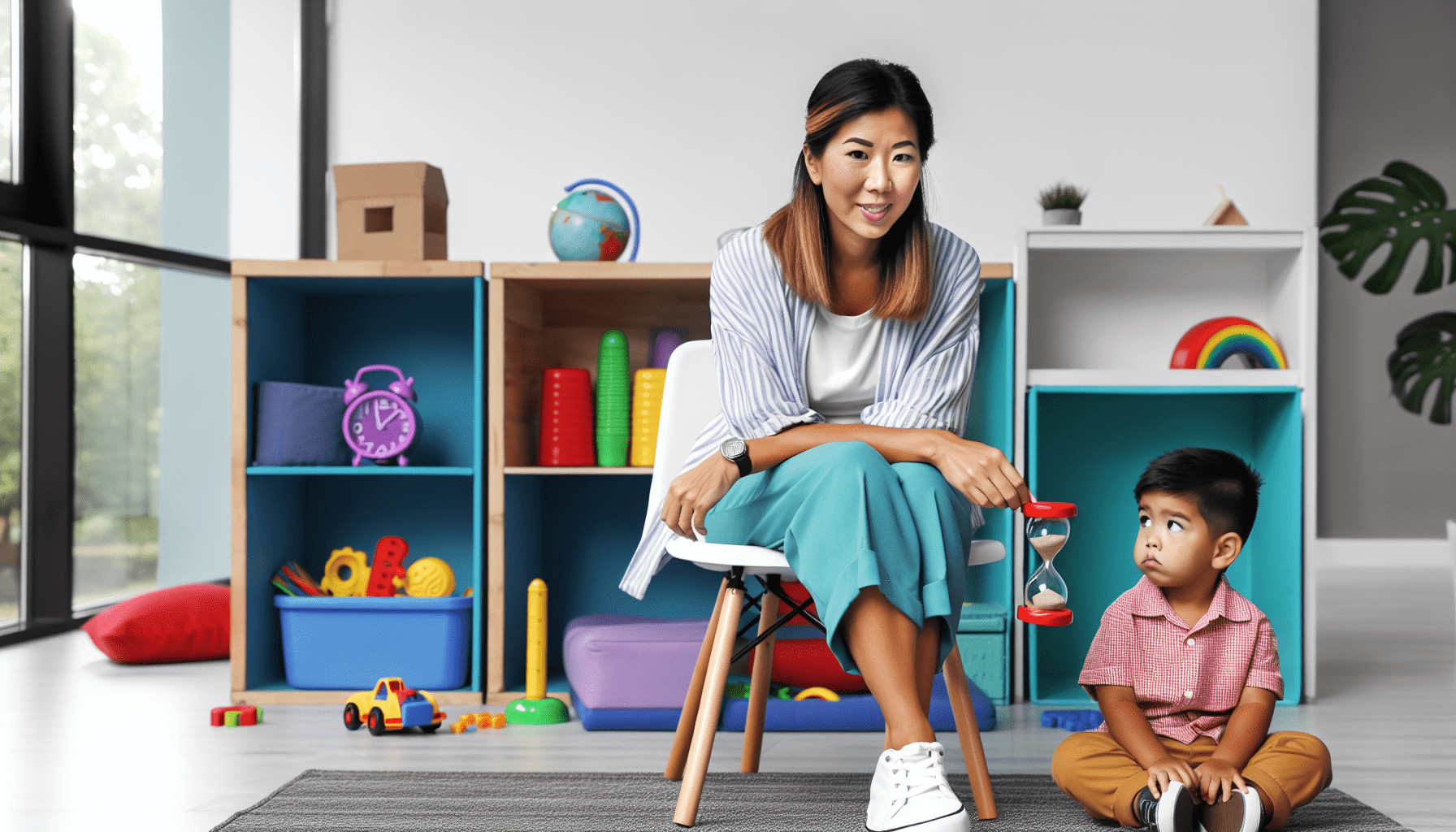
In early childhood, navigating emotions can be both challenging and transformative. Children often experience tantrums, which are natural expressions of frustration, fear, or confusion. At this stage, developing skills such as impulse control, sharing, empathy, emotional awareness, and self-soothing is crucial to building a healthy emotional foundation. This article explores practical coping strategies and highlights the importance of routine and parental modeling in guiding children through emotional growth. With actionable insights and real-life examples, parents and caregivers can better understand how to help their children enhance frustration tolerance, build emotional resilience, and ultimately thrive in a nurturing environment.
Understanding the Roots of Emotional Outbursts
Early childhood tantrums are a normal part of development. When a child struggles with impulse control, they may resort to outbursts simply because their emotional awareness is still developing. Recognizing that these intense reactions are often a cry for help can enable parents to respond with empathy. In addition to addressing the immediate behavior, understanding the underlying causes is essential. Emotions such as frustration, hunger, or tiredness can trigger these episodes. Therefore, establishing routines and consistent strategies can help prevent the escalation of emotions, allowing children to practice self-soothing techniques effectively.
Signs and Triggers
- Tantrums: Look for signs of escalating frustration before a full-blown tantrum occurs.
- Impulse Control: Notice if the child struggles to wait their turn or inhibit immediate reactions.
- Emotional Awareness: Pay attention to non-verbal cues that signal distress or discomfort.
Enhancing Impulse Control and Emotional Awareness
Developing impulse control and emotional awareness is a gradual process that requires time and patience. Children learn by observing adults and mimicking behavior, making it crucial for caregivers to demonstrate calm and measured responses. Helping children identify and label their emotions can also elevate their self-awareness and guide them towards appropriate behaviors. Techniques such as deep breathing, counting slowly, or taking a moment of pause can be taught as coping strategies to reduce impulsive reactions.
Actionable Tips for Parents
- Create a Calm Environment: A predictable routine reduces anxiety, making it easier for children to manage their emotions.
- Model Self-Regulation: When faced with frustration, demonstrate self-soothing techniques so children can learn by example.
- Encourage Reflection: After a tantrum or impulsive reaction, discuss what happened and how different choices might lead to better outcomes.
Cultivating Sharing, Empathy, and Frustration Tolerance
Fostering skills such as sharing and empathy in young children not only improves their social interactions but also builds their frustration tolerance. Activities that require sharing and cooperative play encourage children to listen, negotiate, and understand different perspectives. When children learn empathy, they are better equipped to handle conflicts and exhibit patience even when things do not go as planned.
Practical Examples & Strategies
- Role-Playing: Engage in role-play scenarios with toys to simulate sharing and taking turns, which makes abstract concepts more concrete.
- Storytelling: Use stories where characters display empathy and overcome frustrations. Discuss how these actions lead to positive outcomes.
- Positive Reinforcement: Praise moments when children demonstrate kindness and share happily, reinforcing empathetic behavior.
Building a Structured Routine and Promoting Self-Soothing Habits
A consistent routine provides the necessary structure for children to feel secure and understood. By establishing clear expectations throughout the day, parents can also help children develop effective self-soothing habits. Routine not only supports impulse control but also makes it easier for children to anticipate transitions, reducing the risk of frustration and subsequent tantrums. Incorporating moments of quiet time, where a child can practice self-soothing through reading or gentle music, cultivates a sense of personal space and emotional regulation.
Implementing a Routine
- Morning Rituals: Develop a simple start-of-day routine that includes moments for reflection and calm activities.
- Structured Playtime: Allocate periods for both structured play and free play, teaching children to navigate different social settings.
- Bedtime Preparation: Establish a calming pre-sleep routine that might include a quiet story or a few minutes of deep breathing exercises.
The Critical Role of Parental Modeling and Coping Strategies
Parental modeling is perhaps the most influential factor in how children develop coping strategies. When parents manage their frustrations constructively, children learn to mirror these behaviors through active observation. Demonstrating empathy, practicing effective communication, and maintaining a balanced emotional state helps children internalize these critical values. Moreover, effective coping strategies, including problem-solving and stress management techniques, become part of a child’s innate skill set.
Effective Parental Strategies
- Practice Mindfulness: Regular mindfulness exercises can reduce overall stress levels in the family, creating a calmer environment.
- Open Dialogue: Encourage conversations about feelings and emotions. This helps solidify a child’s emotional awareness and supports better impulse control.
- Consistent Boundaries: Set clear, consistent boundaries that give children a predictable framework to operate in, enhancing frustration tolerance over time.
Conclusion
In summary, guiding children through their emotional development involves more than just managing tantrums; it is about equipping them with the tools needed for lifelong emotional resilience. By focusing on building impulse control, encouraging sharing and empathy, and enhancing emotional awareness, parents can create an environment where children feel supported and understood. Establishing a reliable routine and actively modeling self-soothing techniques are cornerstones of effective coping strategies. Ultimately, as caregivers, observing and nurturing these qualities in children not only calms challenging moments but also builds a solid foundation for a balanced future.


