
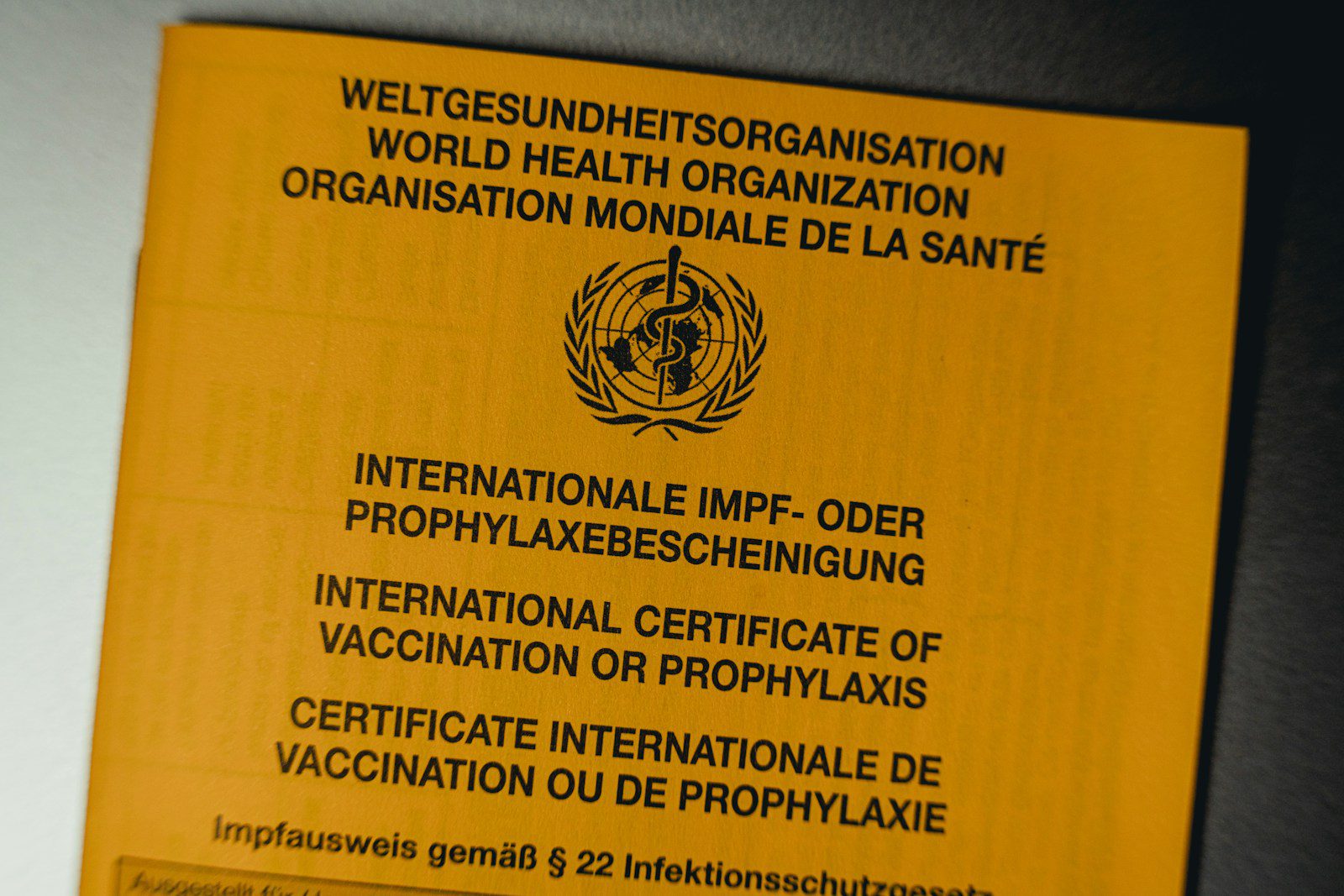
Comprehensive Guide to Maintaining Immunization Records
Maintaining up-to-date immunization records is crucial for safeguarding your family’s health and ensuring smooth interactions with schools, travel authorities, and healthcare providers. Whether you’re managing a vaccine card for your child’s school entry, preparing necessary documentation for travel, or safeguarding against lost records, having a clear, organized system for immunization records is essential. In this article, we explore actionable strategies, from documenting crucial vaccination details to integrating modern digital copy solutions, to help parents and caregivers stay on top of essential immunization updates. We’ll discuss the importance of proper documentation, methods for ensuring records remain secure, and tips for parent tracking and communication with your clinic and doctor notes.
The Importance of Accurate Immunization Documentation
Accurate immunization documentation serves as the cornerstone of effective public health management. A well-maintained vaccine card not only confirms that vaccinations have been administered but also builds trust between healthcare professionals and patients. The documentation process is critical for several reasons:
- Ensuring School Entry: Many educational institutions require proof of immunization for enrollment or to prevent outbreaks in schools.
- Facilitating Travel: Some countries require vaccination records as a prerequisite for entry into their borders.
- Managing Lost Records: In cases where physical records are misplaced, having updated documentation can be invaluable.
- Ongoing Healthcare: Regular immunization updates ensure that doctors can provide appropriate care and guidance.
By keeping detailed records, parents can verify historical data, such as booster shot dates and vaccine lot numbers, thereby ensuring proper continuity of care. This proactive approach to documentation is vital during times of emergencies or for future reference, as well as meeting legal and administrative requirements.
Organizing Your Vaccine Card and Documentation
Setting Up a Reliable System
Starting with a physical vaccine card is fundamental. However, a paper-only approach has limitations, especially in the best scenarios where school entry or travel guidelines are rigorously enforced. Consider these practical tips:
- Create a dedicated folder: Use a binder or physical file to store vaccine cards, doctor notes, and additional immunization documents.
- Label clearly: Date each entry and include details like vaccine type and batch numbers for easy reference.
- Make periodic updates: Whenever a new vaccine is administered, update the record immediately to avoid confusion later.
Keeping Records Organized
For those managing multiple records, categorization is key. Separate files for children, adults, and seniors can help in sorting out specific records. Include sections on booster shots, side effects experienced, and follow-up appointment dates. Precision in this documentation not only saves time but also ensures that vital information is available for any future review by the clinic or while processing school applications.
Digitizing and Backing Up Your Immunization Records
Transitioning to a Digital Copy
Modern technology offers tremendous benefits in managing immunization data. Creating a secure digital copy of your vaccine records can modernize your record-keeping process. Scanning physical documents and storing them in the cloud ensures that your records remain accessible and safe from physical damage or loss. Here’s how you can transition:
- Scan and Save: Use a high-quality scanner to digitize your entire immunization record set. Save these files in PDF format for easy sharing.
- Cloud storage: Services like Google Drive, Dropbox, or dedicated health apps provide secure platforms for storage. Make sure to set up two-factor authentication for extra security.
- Periodic Backups: Regularly update and backup these files to ensure that any newly added doctor notes or updates are promptly recorded.
Benefits of a Digital Transition
An accessible digital copy eliminates the worry of lost records and ensures that important documents are available anytime you need to present proof of immunization for school entry, travel, or clinic visits. Moreover, digital records can be easily shared with healthcare providers, reducing misunderstandings and mediating faster treatment adjustments, if necessary.
Meeting School Entry and Travel Requirements
School Entry: A Priority for Parents
Many schools require a comprehensive set of immunization records as part of their enrollment process. A properly managed vaccine card can help streamline this transition. Parents should:
- Know the requirements: Contact your child’s school in advance to understand the immunization guidelines and deadlines.
- Submit your documentation: Provide school officials with either physical or digital copies of the vaccine card, ensuring that all entries are up-to-date.
- Keep ongoing records: If your child receives additional vaccines while attending school, update their immunization file immediately. This transparency avoids any non-compliance issues during health audits.
Travel Preparedness
Travel can often demand additional immunization records, especially if you plan to visit areas with different health regulations. Here are some actionable insights:
- Research destination requirements: Different countries may mandate proof of vaccination against specific diseases.
- Carry both formats: Keep both a physical vaccine card and a digital copy, ensuring that you can quickly retrieve information if needed.
- Consult your clinic: Before traveling, schedule a visit to your clinic to update any immunizations or obtain additional doctor notes that might be required by your destination country.
By preparing ahead and ensuring that you meet all the requisite criteria, both school entry and travel documentation processes become less daunting and more efficient.
Implementing Parent Tracking and Communication with Clinics
Utilizing Parent Tracking Tools
Modern healthcare providers recognize the need for parent tracking solutions that integrate seamlessly with immunization records. These tools often come in the form of digital apps or portals that allow you, as a parent, to manage and update the vaccination timeline effortlessly. Effective parent tracking may include:
- Setting reminders: Use digital calendar alerts for upcoming vaccine dates and booster shots.
- Accessing digital copies: Platforms might provide safe access to your digitized records, ensuring you have immediate access during emergencies.
- Sharing with your clinic: Many systems allow you to send updated doctor notes and vaccination records directly to your healthcare provider.
Communication with Clinics and Healthcare Providers
Engaging with your local clinic is critical for maintaining comprehensive immunization records. Regular updates and efficient record-keeping reduce errors and ensure transparency. Consider the following practices:
- Regular appointments: Periodically visit your healthcare provider to verify that your vaccine records are current and complete.
- Request immediate updates: After vaccination, ask for an updated vaccine card immediately and verify that the clinic’s records are consistent with your own files.
- Maintain uninterrupted communication: Whether through digital portals or scheduled visits, sustaining open lines of communication with your doctor can prevent miscommunication and lost records.
These proactive measures enhance the overall quality of your health management system and ensure that your documentation remains reliable and up-to-date.
Actionable Insights and Practical Examples
Real-Life Scenarios
Consider the following practical examples that illustrate the benefits of maintaining clear immunization records:
- School Entry: Jane, a parent of two, ensured that her children’s immunization records were well-organized. By digitizing the vaccine card and using appointment reminders, she quickly provided the necessary documentation when her kids transitioned into a new school year.
- Travel Preparedness: Mark was planning a family vacation abroad. He anticipated the travel immunization requirements by consulting his clinic in advance and updating his family’s vaccine records. His decision to hold both a physical and digital copy of documents meant a hassle-free journey without last-minute surprises regarding travel immunization rules.
- Managing Lost Records: When Emily accidentally misplaced her child’s immunization documents, having a digital copy and key doctor notes readily available allowed her to quickly retrieve the information and avoid delays during a routine school health check.
Tips for Future-Proofing Your Records
Keeping pace with modern technology and ensuring your records are future-proof involves:
- Adopting a consistent organizational system that includes both digital and physical records.
- Signing up for parent tracking tools that connect with your clinic and alert you of upcoming vaccination needs.
- Reviewing your records annually with your healthcare provider to incorporate any required updates or revisions.
Applying these actionable insights will help ensure that your immunization records remain reliable and accessible whenever they are needed.
Conclusion
Maintaining comprehensive immunization records is more than a routine task—it is an essential part of safeguarding public health and ensuring seamless transitions for school entry, travel, and ongoing healthcare management. By developing an organized system for your vaccine card and accompanying documentation, adopting digital copy solutions, and embracing parent tracking tools, you are well-equipped to manage future immunization updates efficiently. Regular communication with your clinic, proactive updates via doctor notes, and a clearly labeled record-keeping system can greatly reduce the risk of lost records while simplifying the documentation process. Taking these steps will not only benefit your family’s immediate health needs but also strengthen long-term healthcare management strategies.


